Get Full Government Meeting Transcripts, Videos, & Alerts Forever!
Get email alerts on the Mental Health Services topic
No spam. Unsubscribe anytime.
District clinicians cite crisis‑intervention outcomes as federal grant faces reconsideration
Summary
District leaders described clinician‑led mental‑health work at secondary schools — suicide and violence interventions, family outreach, and classroom prevention — and said they have appealed a threatened federal grant decision to the U.S. Department of Education.
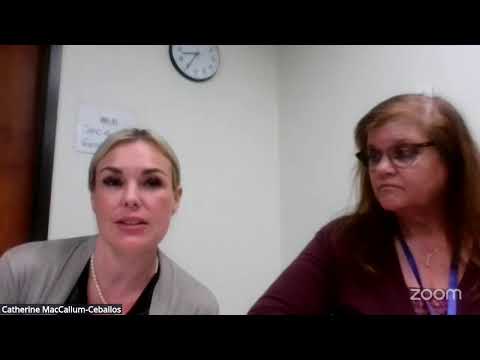
Vancouver School District staff told the board that clinicians hired under a multi‑year federal mental‑health grant have intervened directly with students in crisis and expanded tiered services across secondary schools — and that the district has submitted an appeal after the federal program threatened funding.
District staff said clinicians intervened with roughly 80 students experiencing active suicidal ideation and with 21 students who had made violent or homicidal plans; staff reported these interventions prevented attempts and violent acts. Clinicians also led targeted small groups (6–12 students) on anxiety, grief, self‑regulation and other topics as well as classroom presentations to improve mental‑health literacy and destigmatize help‑seeking.
Staff described the program as intentionally tiered: universal (tier‑1) classroom lessons and campaigns, tier‑2 small groups and brief interventions, and tier‑3 individual therapy case management tied to IEPs when appropriate. District leaders said the structure both increased capacity for early intervention and improved staff ability to identify and route students to supports.
Staff said they filed a formal appeal (a request for reconsideration) to the Department of Education last Friday and encouraged board members to contact federal legislators in support. Staff offered to provide the board with a copy of the appeal letter. Several board members praised the work and asked how they could help; staff suggested advocacy by board members with federal legislators and shared they would supply materials for directors to use.
No formal board action was required at the study session; staff asked the board for support in outreach to legislators and to help preserve the program’s continuity while the appeal proceeds.