Get Full Government Meeting Transcripts, Videos, & Alerts Forever!
Get email alerts on the Solar Ordinance topic
No spam. Unsubscribe anytime.
Daviess County commissioners approve revisions to solar ordinance after APC recommendation
Summary
Daviess County commissioners approved revisions to the county's solar ordinance following a public hearing and a 6-0 recommendation from the Advisory Planning Commission; changes aim to limit impacts on nonparticipating landowners and county infrastructure and create a review committee for projects.
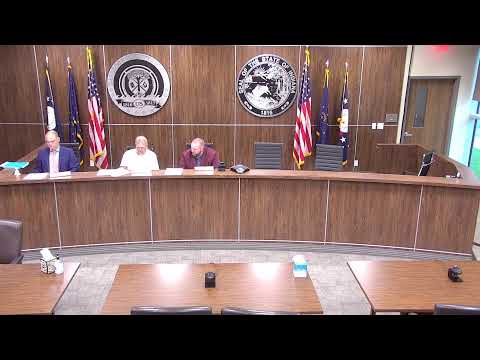
Daviess County commissioners on May 27 approved revisions to the county's solar ordinance after a public hearing and a certification from the Daviess County Advisory Planning Commission recommending the changes.
The revisions, which the commission said are intended to minimize negative impacts on nonparticipating landowners and county infrastructure, also consolidate existing rules into a single location and allow formation of a solar project committee to review applications.
Commissioners opened a public hearing to consider modifications the Advisory Planning Commission (APC) forwarded after its review. The APC certified the zoning ordinance changes with a 6-0 vote and three members absent. "We don't wanna keep solar out of the county, but we we wanna protect our neighbors all at the same time," the presiding official said during the hearing. The presiding official also thanked the APC and Grant for their time and work on the draft amendments.
A county representative explained the ordinance revisions fall under the county's "600 series" planning and zoning ordinances and that the intent is for the new language to supersede and replace the current solar provisions. The representative said APC members reviewed the draft changes item by item during their meeting and recommended approval.
Among the changes discussed, commissioners and staff highlighted measures aimed at reducing impacts on nonparticipating landowners and on county infrastructure. The draft also allows creation of a solar project committee to review applications and provides a consolidated reference that county staff can give to solar companies. One commissioner asked that inquiries from solar companies be directed to staff; another suggested providing "Nathan's" contact so staff can coordinate responses.
After the public hearing, a motion to approve the ordinance changes was made and seconded; commissioners voted by voice and the motion carried. The commission directed staff to post the revised ordinance on the county website. A county official noted the revisions do not change the penalties for violations but are intended to consolidate existing provisions and improve clarity for applicants.
Commissioners and several speakers encouraged residents to visit operating solar sites in neighboring counties, including Pike and Knox, to inform public awareness. The meeting concluded with the commissioners adjourning after the ordinance approval.