Get Full Government Meeting Transcripts, Videos, & Alerts Forever!
Get email alerts on the Head Lice Policy topic
No spam. Unsubscribe anytime.
Resident urges district head-lice policy; subcommittee asks nursing staff to draft policy
Summary
A community member urged the Policy Subcommittee to adopt a formal head-lice policy that would support treatment, notification and, in some cases, exclusion for live infestations. The subcommittee voted to refer the matter and requested nurses draft a policy based on current procedures.
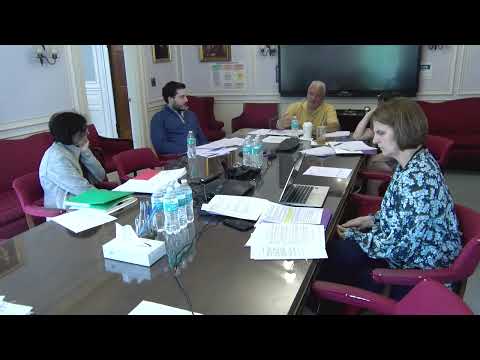
Taylor Perry, a Fall River resident, asked the Policy Subcommittee on May 27 to adopt a clearer district policy on head lice to protect students’ health, dignity and school access.
Perry told the panel she had personally dealt with repeated household infestations and described the treatments and laundry burden families sometimes face. She urged the district to require that students with live lice be sent home for treatment, allow return when cleared by the school nurse, and support families by maintaining treatment kits for those with financial barriers. “If there are live lice found, the student should be sent home for treatment,” Perry said. She also recommended written notices to families and signature acknowledgment that parents received policy updates.
The superintendent and nursing staff told the subcommittee that current practice does not automatically exclude students for the presence of lice and that the district relies on nursing discretion; the district’s practice aligns with Department of Public Health and national guidelines that generally do not recommend exclusion for nits. The district’s nurse clarified that nurses already call parents when lice are symptomatic or when infestation appears significant and that there is no current written head-lice policy in the manual.
Committee members debated trade-offs: some members supported a written policy to standardize practice and allow parents to act, while others cautioned that mandatory exclusion for nits could exacerbate chronic absenteeism for families with transportation or work barriers. The subcommittee asked the district nursing staff to convert existing procedures into a formal policy and bring the draft to the full committee; the subcommittee recorded a motion and vote to refer the matter for drafting and full-committee consideration.
The discussion separated advocacy and public comment (Perry’s remarks) from administrative explanation (superintendent and nursing staff), and ended with direction to nursing staff to draft a policy reflecting current practices and public-health guidance for presentation to the full committee.