Get Full Government Meeting Transcripts, Videos, & Alerts Forever!
Get email alerts on the Vacant Structures Demolition topic
No spam. Unsubscribe anytime.
City staff outline long, legally driven process for demolishing dilapidated properties; committee discusses enforcement and registry follow‑up
Summary
Building department staff described the city’s multi‑step process for handling dilapidated properties — from violation letters and administrative search warrants to asbestos abatement, title searches and demolition — and committee members pressed for better follow‑through on the vacant structure registry and tax‑lien issues.
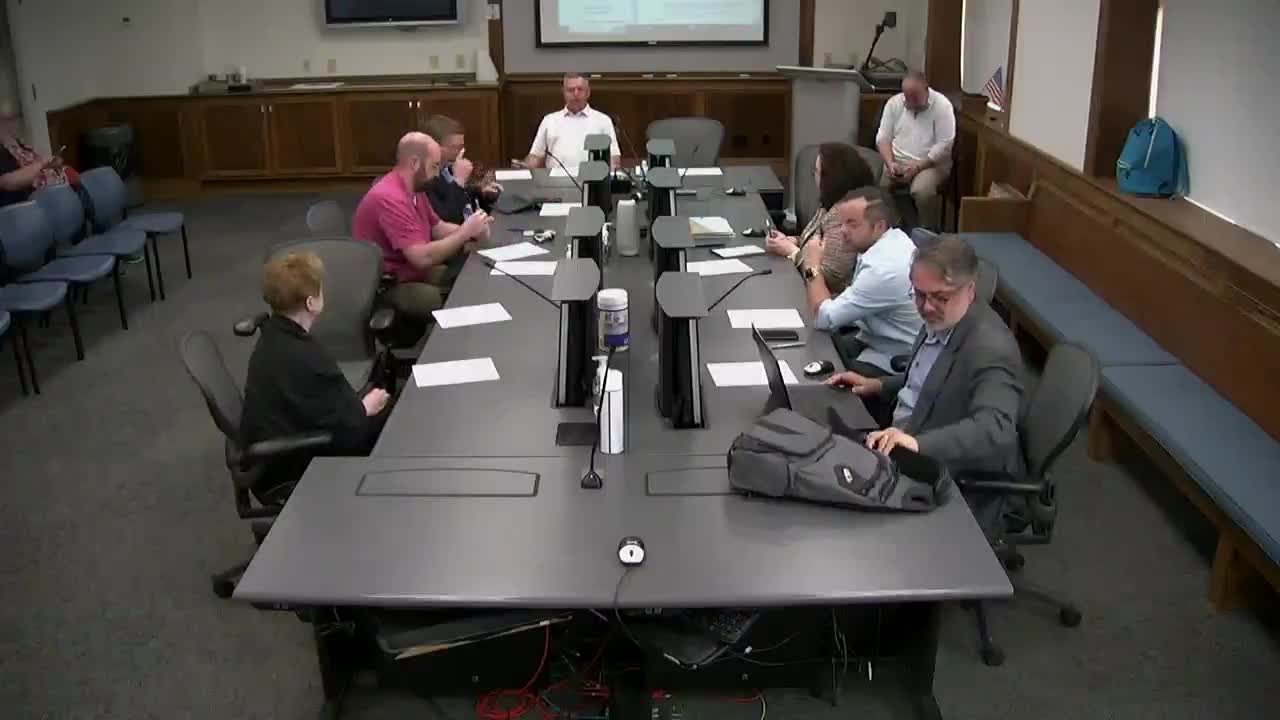
Ordinance Committee members heard a detailed briefing on Charleston's process for addressing dilapidated and vacant structures, including outreach steps, legal notices, asbestos and title procedures, and constraints created by probate and tax‑lien sales.
Billy Smith (staff member) and Dan (staff member) explained the process to the committee after a sponsor asked staff to "explain our current process and how that works." Billy Smith said the department follows state code and the adopted property maintenance code, beginning with an inspector's violation letter and certified regular mail to the owner. He said inspectors send a so‑called "1‑10" demo/rehab letter when a property appears beyond reasonable repair and that staff obtain an administrative search warrant to enter a structure when owners cannot be located. "The very first thing we try to do is locate or contact an owner," Billy Smith said. He added, "every property has a different story. And if you can imagine a story, it probably has happened."
Staff described subsequent steps: posting a 15‑day notice on the building after the search warrant, running a two‑week Class 2 legal advertisement to complete proof of service, commissioning a 40‑year title search, and ordering asbestos surveys and abatement when required. When asbestos is present, staff said the property must be registered with the DEP and posted on the agency's website for two weeks before abatement; only then can demolition contractors proceed. Staff emphasized the process can take months or years depending on title issues, probate, tax‑lien complications and the need for asbestos abatement.
Committee members pressed on enforcement and incentives. Staff described tax‑lien sales where out‑of‑state LLCs buy liens and sometimes do not redevelop properties; the city is working with the auditor's office to improve first‑refusal options and registration of tax‑lien bidders. Staff said the Land Reuse Agency (LRA) has acquired some properties and used incentive programs to build houses and return parcels to productive use. A staffer told the committee the city has used a DEP grant (stated in the briefing as $500,000) that required extra historic reviews and documentation, which slowed throughput but funded additional demolitions.
Operational numbers and constraints provided by staff: the demolition pipeline averages about 100 structures a year over several years; staff try to keep 25–30 properties ready for demolition and maintain a larger file of 50–100 1‑10 letters at various stages. Staff estimated 10–12% of cases result in owners demolishing structures themselves; private demolitions by owners or contractors add perhaps 20–30 per year. Staff said liens placed for demolition costs may be difficult to recover and typically expire after 10 years, leaving taxpayers bearing much of the net cost when the city pays for demolition.
Committee members proposed follow‑up: one member requested that the state auditor send representatives to the next meeting to discuss audit office plans and legislative work on tax‑lien sales and bad actors. Staff and the committee also discussed implementing a new administrative software system to attach invoices and liens to property records, which staff said will improve billing and make it harder for owners to avoid obligations when transferring property.
Why it matters: Committee members called the problem a long‑running challenge that blights neighborhoods and costs taxpayer dollars. Staff emphasized they follow due process at each step to avoid legal liability and noted resource limitations constrain how many demolitions can be completed each year.
No formal action was taken beyond the briefing and requests for further follow‑up; committee members agreed to continue the conversation and consider inviting the auditor's office to the next meeting.