Get Full Government Meeting Transcripts, Videos, & Alerts Forever!
Get email alerts on the Municipal Budget topic
No spam. Unsubscribe anytime.
Fall River planners present FY26 municipal budget with large one-time increases, zero-based cuts to departments
Summary
Interim finance director Emily Arp told the City Council Committee of Finance the proposed FY26 municipal budget returns to zero‑based budgeting and includes $16.2 million in targeted increases — while omitting new general‑fund capital purchases and leaving several collective‑bargaining increases unresolved.
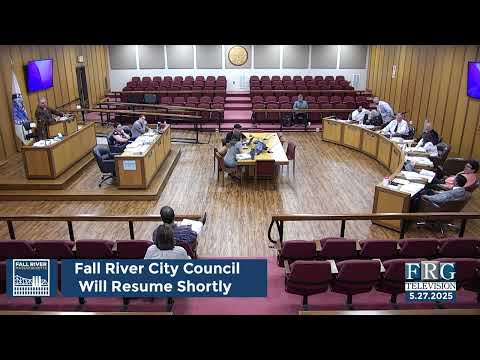
Interim Director of Financial Services Emily Arp presented an overview of Fall River’s proposed fiscal year 2026 municipal budget to the City Council Committee of Finance on May 27, saying the administration returned to zero‑based budgeting and identified $16,200,000 in specific increases while excluding new general‑fund capital purchases.
Arp said the operating budget as proposed contains debt service and recurring assessments but “there is no capital in the general‑fund operating budget at this point.” She told councilors the administration will submit a capital improvement plan in early‑to‑late fall that will include projected funding sources for FY26. The budget presentation also assumes only step increases and existing contractual raises in personnel lines because many bargaining units are still in negotiations and have not settled.
In Q&A, Arp and councilors identified several large, line‑item increases included in the FY26 proposal: a $3,400,000 rise tied to solid‑waste collection, an item described as part of a change in contract expectations; a sum the presentation grouped under a “diamond assessment” long‑term debt of about $4,600,000; and education‑related expenditures that exceed state education funding by about $1,400,000, which Arp said are driven in part by transportation and net‑school‑spending obligations. Arp also confirmed the proposed budget includes a $3,400,000 increase for health insurance in the city’s lines, and that the pension assessment has increased (amount not specified in the presentation).
Arp said the budget team has adopted zero‑based review to reduce unexpended balances and to align expense budgets more closely with actuals from prior years; she noted departments submitted detailed line items showing what contracts or expenses each line reflects. She warned that budgeting more aggressively for expected local receipts will reduce the free‑cash balance certified in the following fiscal year and that any larger unanticipated bargaining settlements will require using one‑time monies or later transfers to cover shortfalls.
Councilors repeatedly pressed Arp about the risk of “roll‑up” effects — the practice of using one‑time funds or unfilled positions in FY26 that require additional funding in FY27 — and urged more conservative set‑asides for pending collective‑bargaining settlements. Arp said the administration planned to rely in part on typical annual salary turnbacks (she cited historical averages of roughly $2.5–3 million in unfilled salary savings) and other timing savings to help cover unsettled contracts but recognized this approach could require adjustments in the next fiscal year.
The Committee of Finance did not adopt the budget on the floor that night; the presentation set the stage for department‑level detailed hearings to follow.
Fall River’s proposed FY26 budget highlights a mix of one‑time and recurring pressures that the administration says it will resolve as negotiations conclude and capital plans are finalized. Councilors asked the administration to return with more detail on debt schedules, funding sources for any capital projects, and contingencies for unresolved labor contracts.