Get Full Government Meeting Transcripts, Videos, & Alerts Forever!
Get email alerts on the Rabies topic
No spam. Unsubscribe anytime.
Board hears rabies guidance: capture bats for testing, seek care after possible exposure
Summary
Cowlitz County Health and Human Services staff outlined rabies risks tied mainly to bats, described testing and treatment protocols, and urged residents to avoid handling bats and to seek prompt medical advice after potential exposures.
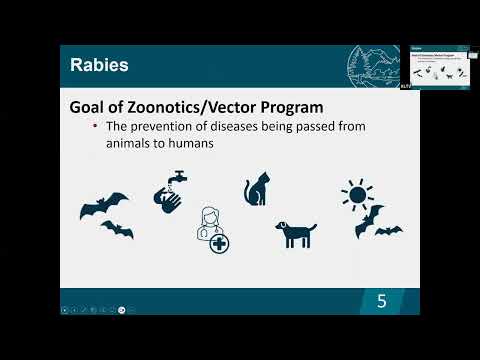
Cowlitz County health officials told the Board of Health that bats are the county’s primary rabies concern and urged residents to call public‑health staff after any potential bat exposure so the animal can be tested or people can receive timely treatment.
The nut graf: County staff said testing an animal quickly can sometimes prevent a person from needing rabies vaccine and immunoglobulin, and they reiterated public guidance on how to reduce risk — do not handle bats with bare hands, capture intact specimens when safe, and seek medical or public‑health guidance after any bite, scratch or possible contact to the eyes or mouth.
Health staff said rabies is almost always fatal once symptoms develop, but prompt post‑exposure treatment — rabies vaccine plus immunoglobulin — prevents progression to symptomatic disease. In Washington state bats are the primary known reservoir; dogs have not tested positive in the state in many years. The department averages about three bats sent for testing per year and had two bats test positive in Cowlitz County in 2019, staff said.
Officials described the practical tradeoffs in testing: laboratories diagnose rabies only by examining brain tissue, which requires the animal to be deceased and ideally intact. If a bat can be safely contained and submitted to public health or a veterinarian, timely testing can spare people and pets from receiving painful post‑exposure injections.
Board members asked about contagiousness and quarantine. Staff said only respiratory/throat exposures are contagious among humans and that contagiousness usually ends within days after starting treatment. Officials also noted a seasonal pattern: inquiries and bat encounters rise between May and September.
Ending: Public health staff encouraged residents to keep homes bat‑proofed, to keep pets’ rabies vaccinations current and to contact the department for guidance after any possible exposure. No vote or formal action was taken.