Get Full Government Meeting Transcripts, Videos, & Alerts Forever!
Get email alerts on the Fortified Housing Tax Deduction topic
No spam. Unsubscribe anytime.
Panel adopts amendment to double construction‑code retrofit deduction for fortified homes to $10,000
Summary
Lawmakers adopted an amendment identifying certifying entities and reported House Bill 145 as amended; the bill increases the maximum construction‑code retrofitting deduction and expands qualifying costs to cover fortified‑home compliance.
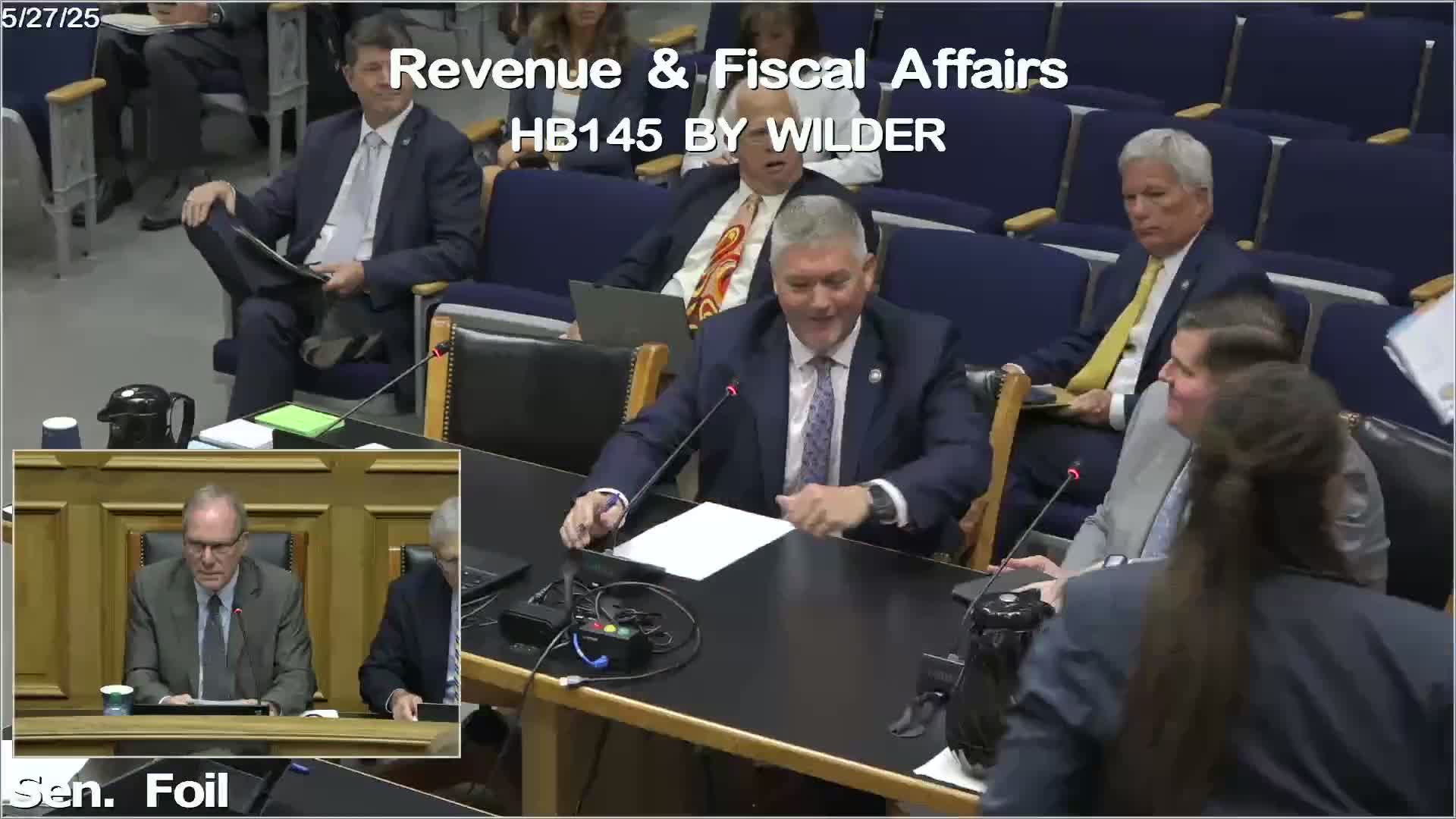
The Senate Committee on Revenue and Fiscal Affairs adopted an amendment and reported House Bill 145 as amended on May 27, 2025. Representative Wilder, the bill’s author, said the proposal increases the maximum construction‑code retrofitting deduction from $5,000 to $10,000 and expands qualifying costs to include measures needed to meet fortified‑home standards.
Department of Revenue staff member Brandy Gaverick explained that the adopted amendment identifies certain entities to certify that retrofit work complies with statutory requirements because the Department of Revenue lacks the technical expertise to perform such certifications itself. “These amendments are just identifying some entities to certify that the work that was completed complies with the requirements in the statute since LDR, we don't have expertise to do that,” Gaverick said.
Why it matters: Sponsors said the greater deduction would encourage more homeowners and landlords to adopt fortified roofs and other resilience measures that could lower insurance costs and reduce storm damage. Adam Patrick of the Department of Insurance said this deduction is a tax‑deduction approach and that a separate pending bill would create a tax credit; the two could not both be claimed if both passed.
Outcome: Senator Morris moved to report the bill with the amendment; the motion carried by unanimous consent (no objections). The committee did not adopt substantive fiscal amendments; the Department of Revenue described the fiscal impact as minimal and indeterminate.
Ending: The committee reported HB145 as amended; the measure now advances for further legislative consideration.