
District presents draft K‑5 innovation course of study focused on STEAM, design thinking and rubrics
Get AI-powered insights, summaries, and transcripts
Subscribe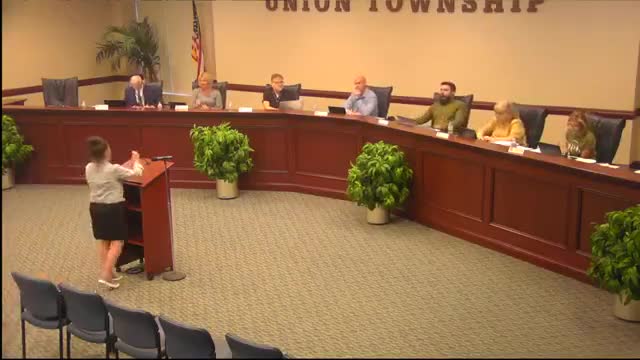
Summary
Teaching and learning staff presented a draft innovation course of study for K‑5 with four vertically aligned units (Innovative Designer; Design & Build; Technology & Digital Tools; Culminating community problem project). The team said units use Ohio STEM/STEAM rubrics, new Ohio technology standards and student‑facing assessment rubrics.
At the May 19 meeting the district’s teaching and learning team reviewed a draft districtwide innovation course of study intended for K‑5 classrooms and explained pilot work and rubrics used by the discovery teachers.
What staff presented: Assistant Director of Teaching and Learning Elaine Georgio and curriculum specialist Sarah Kaufman said the draft course of study centers on STEAM/STEM learning, design thinking and project‑based experiences aligned to Ohio learning standards. Staff described four units planned to cover the school year: (1) Innovative Designer, (2) Design & Build (engineering/prototyping), (3) Technology & Digital Tools, and (4) a culminating unit applying learned skills to solve a school or community problem.
Assessment and standards alignment: Georgio and Kaufman said the team reviewed the Ohio STEAM/STEM designation rubric and the new Ohio technology standards and built student‑facing rubrics to assess collaboration, communication and innovation. Staff piloted rubrics in kindergarten classrooms and reported that rubrics were student‑friendly and useful for co‑teaching, formative feedback and scaffolding learning across grade levels.
Why it matters: Board members and staff said the course of study aims to increase early exposure to industry‑connected skills and help students make informed high‑school course choices in STEM fields. Presenters said the district hopes the work will lead to future STEM designation for buildings and better vertical alignment across grade levels.
Implementation plan: Staff said K‑5 units will be piloted next school year with Discovery and other early adopters, and that the team will refine shared language and rubrics over time. Staff listed support activities including co‑teaching, rubric calibration, and use of AI tools for curriculum design and unit planning.
Ending: Board members praised the materials and encouraged staff to continue piloting and refining the units, connecting the course of study to the district’s Portrait of a Graduate and career/technical pathways at the secondary level.