
Teachers’ fatigue surfaces at Kennewick workshop; board members point to recognition, mentorship and limits on board action
Get AI-powered insights, summaries, and transcripts
Subscribe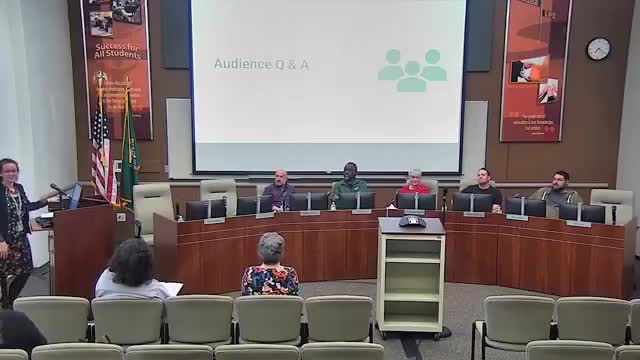
Summary
An audience member at a Kennewick School District workshop told board members that she has been subbing in district classrooms and observed "a lot of tired teachers," asking what the board can do to restore enjoyment and reduce staff burnout.
An audience member at a Kennewick School District workshop told board members that she has been subbing in district classrooms and observed "a lot of tired teachers," asking what the board can do to restore enjoyment and reduce staff burnout.
Board members acknowledged the problem and described several district- and board-level responses while also noting limits on what an elected board can directly implement. District practices cited at the workshop include induction and mentorship programs for new teachers, building-level mentors, and recognition events; directors said the board can encourage and elevate recognition programs and can visit schools to show support.
Why this matters: teacher retention and well-being are central to student outcomes. Board members said the district, like others nationwide, faces staffing shortages and increasing job stress that predate and were worsened by the pandemic. One director noted that experienced teachers are leaving in larger numbers than historically, sometimes even when they are close to pension eligibility.
What board members said: directors recommended more public recognition — inviting students and staff to board events and spotlighting classroom successes — and urged community members to publicize positive school events so the board and community can celebrate staff. Several directors recommended that residents who see successful school activities notify the district so those events can be amplified.
Limits and legal constraints: board members explained that personnel actions and ongoing investigations are governed by state confidentiality laws. When the audience asked about an investigation related to a recent event at Desert Hill School, a board member said the inquiry is ongoing and that disciplinary details are confidential under state law; they advised members of the public to submit formal records requests for certain documents and to speak with cabinet staff for procedural questions.
Community and practical steps: directors recommended in-person visits to classrooms, short visits to speak with principals and counselors, and use of district recognition programs as ways to support teachers directly. They also asked the public to bring ideas and grassroots events to the district's attention so the board or superintendent's office can help publicize and scale them.
Ending: Board members said they did not have a single fix for burnout but urged collective action: increased community recognition of staff, continued mentoring for new teachers, and policy- or budget-level support raised with the superintendent and cabinet.