Get Full Government Meeting Transcripts, Videos, & Alerts Forever!
Get email alerts on the Budget Adoption topic
No spam. Unsubscribe anytime.
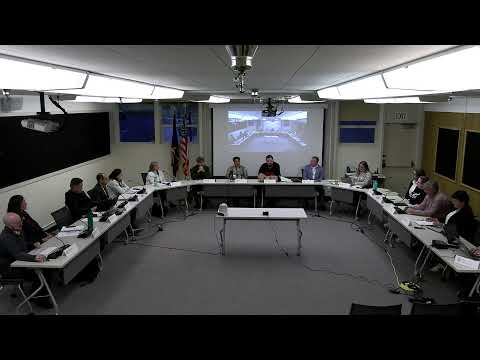
Corvallis budget committee approves $182.6 million 2025–26 budget; levies set
Summary
The Corvallis School District budget committee voted to approve a $182,599,185 budget for 2025–26 and approved tax levies for operations, local option and bonded debt. The vote passed after public and committee discussion about reserves, staffing and program priorities.
The Corvallis School District budget committee approved a $182,599,185 budget for 2025–26 and set the district's tax levies during a meeting of the committee.
The action included a motion to adopt the all-funds budget and a separate motion to levy taxes: a permanent operating rate of $4.4614 per $1,000 of assessed value, a local option levy of $1.50 per $1,000 and a bonded-debt levy amounting to $16,928,011 for debt service.
Why it matters: The budget and levy actions determine the district's authorized spending and the tax rates that will appear on property tax statements. Committee and public discussion leading up to the vote focused on reserves, program reductions and the district's ability to maintain services if state revenues decline.
Most important facts: Budget committee member Judah moved to approve "the Corvallis School District budget for 2025–26 in the aggregate amount of $182,599,185 for all funds." The motion was seconded by Cassandra Inman. The roll call recorded 11 yes votes and one abstention; the chair summarized the outcome as passing. The separate motion to levy the permanent and local option rates and the bonded-debt tax passed by roll call 12–0.
Staff explained that the appropriation authorizes spending beginning July 1, and that district staff cannot issue payments without an adopted appropriation. Lauren, district budget staff, told the committee the district would be unable to pay bills or issue payroll without the appropriation: "I cannot issue a payment without the authorization to do so from the board." The committee and staff also discussed the consequences of receiving a lower state allocation and the district's requirement to present a replenishment plan if rainy-day funds are accessed.
The committee discussion acknowledged community concerns about program reductions, particularly in arts and music, but members emphasized the limits of the committee's authority: moving money in the adopted budget or recommending use of contingency does not itself guarantee restoration of positions or programs because union contracts and board decisions determine staffing outcomes.
What happens next: With the appropriation and levies adopted, district staff will implement the budget and monitor revenue and expenditures through the year. Staff said they will bring updates to the board if actual revenues deviate from the assumptions used to build the budget.
Note on process and responsibility: Committee members and staff repeatedly noted that the budget committee can recommend changes to appropriation lines but does not have unilateral authority to direct staffing or to authorize use of reserved funds; that authority rests with the school board and applicable policy or contract requirements.