Get Full Government Meeting Transcripts, Videos, & Alerts Forever!
Get email alerts on the Land Use topic
No spam. Unsubscribe anytime.
Whitehall council sends Fairway ordinances to November ballot amid debate over reconsideration and developer transparency
Summary
The Whitehall City Council voted to send three Fairway-related ordinances to the Nov. 4 ballot after extended debate over a motion to reconsider earlier approvals and public concerns about a developer’s draft, proprietary development agreement.
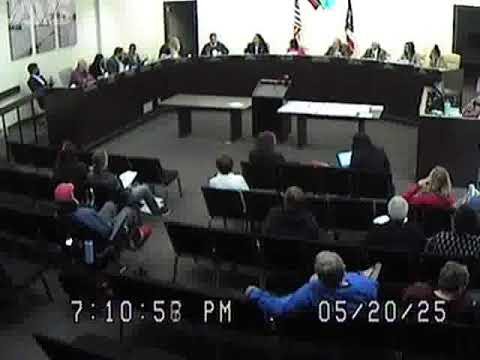
Whitehall — The Whitehall City Council voted on May 20 to send three ordinances related to the Fairway development to the November 4 ballot, after a lengthy debate over a motion to reconsider earlier approvals and public complaints about developer transparency.
The council adopted resolutions directing the Board of Elections to place the questions tied to Ordinances 9-20-25, 10-20-25 and 11-20-25 on the November ballot. Council discussion centered on whether the council should move the measures through three readings or treat the action as an administrative step to get the referenda before voters now.
Why it matters: The ordinances would organize a Fairway Community Authority, establish related tax-increment and incentive districts, and approve a community reinvestment area application for Fairway Cliffs LLC (or designees). Voters will decide whether those ordinances should take effect; the council’s procedural choices now determine the schedule and the precise ballot language viewers will see.
Council and staff described the timeline and legal constraints during the meeting. City Attorney Nick Ademas told council members that Planning Commission will consider the related zoning item on June 16, and that, if the commission takes action that night, council’s procedural deadline for further action is compressed but still possible: petitioners have 10 days under the charter to elect to place language on the ballot, and the city must deliver required materials to the Board of Elections by early August (Ademas said delivery by Aug. 6 is the practical deadline). “It’s still doable within this time. It’s just quick,” Ademas said.
Public commenters and several councilors pressed for greater clarity about the developer’s commitments. Resident Raul Robinson said the draft development agreement shown to council was “not a proposal, it’s not a contract, there’s no penalties if they don’t perform,” and urged that any proprietary portions be redacted and made public so residents could evaluate commitments. Holly Stein, who identified procedural rules she said limited reconsideration, cited the council’s rules of procedure and argued that “a motion to reconsider ... must be made before the adjournment of that session of council,” saying that the motion offered weeks later did not meet that test.
Council members debated whether to move the referrals forward tonight or wait for the usual three readings. Supporters of immediate action said the measure must be transmitted to the elections office on schedule to meet ballot deadlines; opponents said delaying would preserve more time for public review and possible amendments to the concise descriptive statement that appears above the ballot question.
The council approved the resolutions to put the measures on the ballot. During the roll call on at least one of the referendum resolutions, one member (Omar) recorded a no vote while the remaining members present voted in favor.
What happens next: Planning Commission will consider ordinance language on June 16. If the commission acts then, council retains opportunity in subsequent meetings (including the July meetings mentioned in the discussion) to amend or comment on language that accompanies the ballot question, though the city attorney noted the Board of Elections and the secretary of state’s handbook constrain how ballot questions are formatted. Petitioners who filed the initiative retain ten days under the charter to finalize their decision to put their version on the ballot after council action.
Council members and speakers repeatedly returned to one practical point: a development agreement that contains incentives and accountability measures normally becomes public and binding only after the parties execute it. Multiple speakers urged that any promised commitments or enforcement terms be spelled out in a public, signed agreement before incentives are delivered.
Councilors also suggested outreach to the community and reminded residents of scheduled related meetings. Several council members thanked public speakers and emphasized that the process will continue to unfold in committee and at upcoming meetings.