
Peabody council approves 12-unit Monroe Street project with conditions, including two affordable units
Get AI-powered insights, summaries, and transcripts
Subscribe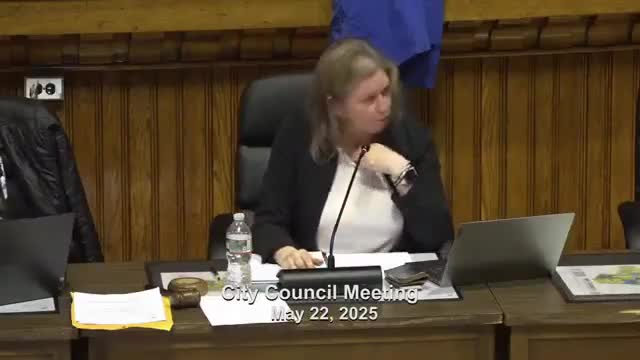
Summary
Council granted a special permit to 10 Monroe Realty LLC to build a 12-unit, two-story-over-parking multifamily project at 10-12 Monroe Street, requiring two affordable units, conservation compliance and other conditions; vote was 10-1.
Peabody City Council on Thursday approved a special permit allowing 10 Monroe Realty LLC to build a 12-unit multifamily building at 10-12 Monroe Street, a parcel rezoned to Business Central in June 2023. The permit passed 10-1 after a lengthy public presentation and a string of conditions addressing environmental, design and affordable-housing obligations.
Attorney John Kelty and architect Joe Bettencourt described the proposal as two residential floors above ground-level parking to comply with the site's floodplain constraints. Bettencourt said the building footprint would provide 28 parking spaces on the ground floor (including two ADA spaces) with six units on each residential floor for a total of 12 units; each unit is approximately 1,100 square feet and designed as two-bedroom apartments.
Councilor Peach, who led the discussion for the planning and zoning matters, emphasized that the project has undergone a multi-year review: the parcel was rezoned from R-2 to Business Central in June 2023; the conservation commission issued an order of conditions following peer review on Nov. 27, 2024; and the planning board completed site-plan review on April 3, 2025. The council's approval incorporated numerous conditions from those reviews and added city-level requirements.
The council's conditions include compliance with Robert Langley's March 19, 2025 communication (items 1'11), adherence to the conservation commission's order of conditions, and two permanently affordable units under the city's inclusionary-zoning rules. Councilor Peach's motion also required removal of existing vegetation and fencing on the site, adherence to downtown design standards, and referral of minor future design changes to Community Development for approval.
Councilor McGinn voiced opposition, repeating earlier concerns about permitting residential development in the floodplain and the broader implications of rezoning parcels to BC. "I've been consistently against residential development in the floodplain," McGinn said, and cast the sole no vote. Supporters, including councilors who had worked on revisions and negotiated conditions with neighbors, said the site has been vacant for decades, has environmental remediation requirements (a former tannery site with an Activity and Use Limitation, or AUL), and that the limited scale of 12 units is appropriate.
The council required the project to retain a licensed site professional (LSP) during construction to certify compliance with the AUL and required that groundwater and remediation steps follow the conservation and health-department protocols. The motion carried by roll call, 10 in favor and 1 opposed.
The council recorded that some environmental remediation work must follow the AUL prepared by consultants and that Arcadia had provided recommendations; the council included a condition that the applicant retain an LSP during construction to ensure AUL compliance.