
Oklahoma County Board of Equalization sets valuations in 10 appeals after owners fail to provide documentation
Get AI-powered insights, summaries, and transcripts
Subscribe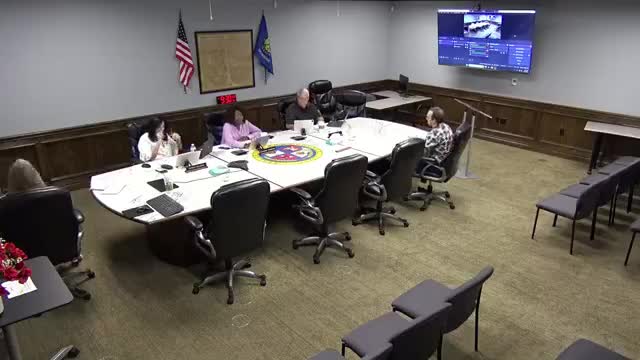
Summary
At a May 23 special meeting the Oklahoma County Board of Equalization voted unanimously to set fair-market values on 10 appealed properties, citing a lack of documentation from property owners and using assessor comparables and district growth figures to moderate large year-over-year increases.
Oklahoma County’s Board of Equalization on May 23, 2025, met in a special session and approved fair-market values for 10 property valuation appeals after assessors said several owners did not provide requested documentation.
The board, meeting as the Board of Equalization of Oklahoma County, set values for a mix of residential and commercial parcels after members said they had no informal hearing material from the taxpayers and therefore relied on assessor comparables and district growth averages to temper large increases. “The assessor’s office attempted multiple times to contact the property owner and that there was no response,” a board member said during discussion.
Why it matters: property valuations determine tax bills. Several appeals showed large year-over-year increases; the board trimmed some proposed jumps by applying averages between the assessor’s proposed values and prior-year valuations or district growth calculations so that values would not reflect unexplained spikes.
Most important decisions - BOE 106 (residential, 2009 NW 14th): board set fair-market value at $125,003.33 after discussion of prior-year comparables and effective age adjustments.
- BOE 107 (residential): board set fair-market value at $114,000. Board members and staff noted the property had a recent large remodel reflected in last year’s roll and that district growth adjustments altered the recommendation.
- BOE 108 (commercial): after debate over a near-$2 million assessor increase and no information from the owner, the board set the value at $5,581,351, a compromise reached by averaging assessor comps and growth figures.
- BOE 109 (commercial): the transcript record of the final formatted figure is unclear; board discussion shows members considered assessor and taxpayer figures and carried a motion to set a commercial value in the roughly $5 million range. The exact numeric formatting in the meeting record was not specified in the transcript provided.
- BOE 110 (commercial): board set fair-market value at $17,781,860 after members averaged assessor comps and district growth calculations.
- BOE 111 (Remington Santa Fe, commercial): members discussed a roughly 41% year-over-year jump in the assessor’s current value; the board approved a compromise valuation recorded during the meeting (the transcript’s numeric formatting for the final figure is unclear).
- BOE 112 (commercial): board set fair-market value at $4,501,838 after averaging assessor and district growth figures.
- BOE 113 (North Meridian, commercial): board set fair-market value at $4,209,576 based on assessor comps and district growth averages.
- BOE 114 (commercial, described as a distress sale in assessor notes): board approved the assessor’s valuation at $1,479,009.92; members noted the property had not seen an increase for multiple years and that the assessor had marked the sale as distress.
Discussion and rationale Board members repeatedly noted the lack of documentation from several taxpayers during the informal appeal stage, which limited the material they could consider. In those cases, members relied on (1) last year’s valuation, (2) assessor-provided comparables, and (3) district-level growth rates to reach compromise figures. One board member described the process as “striking a happy medium” between prior values and the assessor’s proposed increases. For properties with substantial remodels or sales-based changes, members adjusted recommendations to account for known work or caps on prior values.
Votes and next steps Each motion on the agenda items carried on voice votes recorded in the meeting. The board scheduled follow-up decisions and indicated it expected to revisit valuations if further documentation is later submitted. The panel discussed scheduling for early June to hear additional commercial appeals.
What the board did not do For several appeals the board explicitly said it did not consider undocumented claims of hardship, vacancy rates, or owner-supplied income data because taxpayers did not submit that material at the informal stage. In one case the assessor’s notation that a sale was a “distress sale” was part of the record and was considered in approving the assessor’s number.
Ending The meeting adjourned after the vote on the last item and members discussed scheduling another session in early June to address additional commercial appeals.