
Residents and commissioners press for compilation of Hamblen County meeting rules, open‑records clarity
Get AI-powered insights, summaries, and transcripts
Subscribe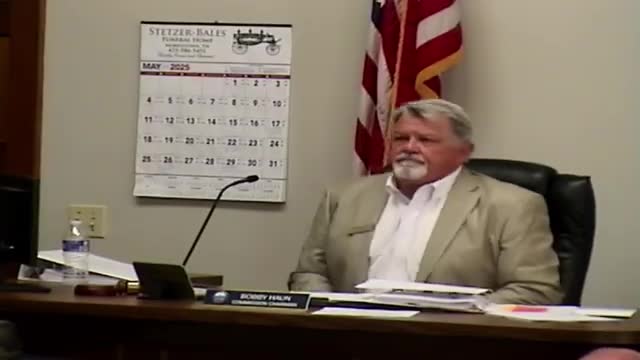
Summary
Public commenters and some commissioners asked the county to compile and clarify rules governing meetings and open records; Commissioner Edna Green asked the county attorney to review draft minutes and rules language before adoption after citing a settled lawsuit over placards and recent disputes about records access.
Several residents and at least one commissioner pressed the Hamblen County Commission on May 22 to compile and clarify the county’s meeting rules and open‑records procedures so the public and commissioners understand what practices are required and enforceable.
During the public-comment period, Linda Noej (Stevens Road) asked commissioners to reconvene the rules committee to assemble existing rules and to invite the county attorney or CTAS for guidance on open meetings and records. “Open government is extremely important,” she said, and she recommended that officials allow members of the public to record portions of meetings on personal devices. Noej also said a lawsuit over placards had been settled and that the county’s insurer paid $10,000 to plaintiffs’ attorneys; she said the commission still lacked a clear definition of “placard.”
Later, Commissioner Edna Green used an item removed from the consent calendar to ask that language in the minutes and rules be clarified before adoption. Green said the draft minutes and a proposed rules package were confusing and potentially unenforceable as written, and she asked the county attorney to review the documents. “I think your county attorney needs to look at that before we adopt it,” Green said during debate on the consent calendar; other commissioners discussed procedures for removing items from the consent calendar and whether a removal request requires a vote.
Separately, Green flagged confidentiality language in an equipment rental contract (Diverse Computing) on the regular calendar. She said confidentiality clauses may conflict with Tennessee open‑records law and hospital or federal redaction requirements, and asked that the county attorney check contract language before the county executes similar agreements. The mayor and other officials said parts of some contract language may be necessary for federal privacy laws and to protect specific types of data, but Green and others said the county should verify redaction and record‑request handling before signing.
Commission discussion produced no immediate change to the county’s practice on recording meetings; the chair announced that the commission had “rolled against” allowing cell‑phone taping and that personal taping would not be allowed at this time. The commission did, however, allow that items legitimately removed from the consent calendar will be considered separately and that minutes could be revisited under the appropriate agenda item.
At the meeting’s close, county staff reported an internal effort to compile the rules: the mayor said an employee was collecting rules and that the commission would address the compilation in future sessions.