
Consultant previews Central 2045 master plan draft, schedules public release and workshops
Get AI-powered insights, summaries, and transcripts
Subscribe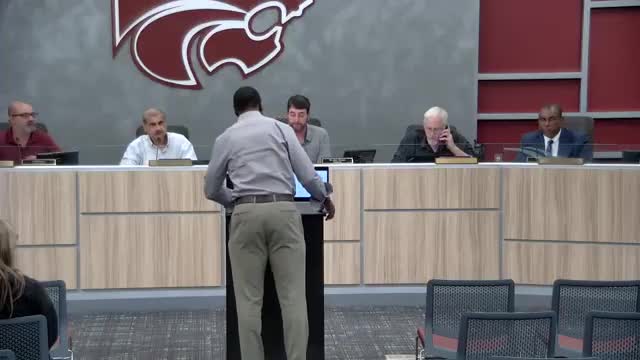
Summary
Consultants from Villa Vasu and Associates presented an update on the Central 2045 master plan, outlined outreach to date, and announced a public release of the draft on June 16 with workshops and Planning Commission review scheduled through August.
Fred Hill of Villa Vasu and Associates gave the Planning Commission an introductory update on the Central 2045 master plan, outlining outreach, proposed content, and a timeline for public review and hearings.
Hill told commissioners the update began about a year ago and included three community planning workshops. He said the draft public discussion document would be released on June 16 and that a workshop and Planning Commission review would follow, with a targeted community workshop in the week of August 11–15 and an initial Planning Commission public hearing on August 28.
“The Master Plan is the document that really defines the long‑range vision and should help y’all to implement laws, policies, rules and really guide infrastructure and strategic investments,” Hill said. He also noted the master plan is primarily adopted by the Planning and Zoning Commission, while the City Council has an opportunity for input and eventual adoption steps.
Hill summarized recurring themes from outreach: infrastructure and sewer, flood protection and resiliency, housing types and density, economic development, and preserving rural character. He said the plan would include a future land‑use map in the June 16 draft and that the map would be a focus of upcoming workshops and public comments. Hill said the draft map would not be final and would be refined with public input.
Commissioners asked whether adopting a future land‑use map would automatically rezone properties; the consultants and staff clarified land‑use maps guide policy and inform commission decisions, but do not themselves change zoning. “The master plan is not zoning,” Hill said, adding that while future land use strongly influences development decisions, any zoning-change ordinance would remain a separate Council action.
Commissioners requested the consultants highlight changes rather than ask stakeholders to compare two full maps; one commissioner asked for a clear presentation of areas that change versus the majority of the city that will not change. Hill said the team plans a simplified future land‑use map with fewer categories than the current plan and will provide draft maps to staff before general release.
Hill also said the implementation chapter will group goals into short‑, medium‑, and long‑term actions and assign likely implementing parties; he noted that infrastructure needs, particularly sewer, would be addressed but reminded the commission that the city does not directly control all regional sewer systems—coordination and funding questions are part of the implementation conversation.
The presentation closed with scheduled public steps: the June 16 public release of the draft, a Planning Commission workshop on July 24 to solicit input, an open community workshop during the week of August 11–15, and an initial Planning Commission public hearing on August 28. Consultants and staff encouraged commissioners and residents to provide feedback on the draft and said additional meetings could be scheduled if needed.