Yakima migrant program reports wellness days, biliteracy seals and above‑average graduation rates
Summary
Federal migrant program director Hector Mendez told the board that the district is among the state's top three in identified migrant students and described Migrant Wellness Days, after‑school programming, and steady graduation outcomes; he said 808 students are prioritized for service and highlighted bi‑literacy and graduation metrics.
Hector Mendez, the district's migrant federal program director, presented the Yakima School District’s migrant program on May 20 and described outreach, wellness activities and academic outcomes targeted at migratory students.
Mendez said Yakima is one of the three Washington districts with the largest number of identified migratory students and that the district’s migrant team includes 17 staff who work as recruiters, advocates, nurses and graduation specialists. "We are one top 3 in the state," he said when comparing identified counts and students served.
Nut graf: The migrant program emphasizes priority-for-service (PFS) students—those with interrupted moves or high academic risk—and delivered in‑district services including after‑school migrant programs at six elementary schools, Migrant Wellness Days for middle- and high-school students, and targeted literacy work. Mendez reported specific participation and outcomes for 2024–25.
Key details and results - Priority-for-service students: Mendez reported about 808 districtwide PFS students; these students receive first invitations to academies and after‑school supports. - Migrant Wellness Days: The program ran a middle-school wellness day (February 25) serving 91 PFS students and a high-school day (February 27) serving 61 students. Activities included organization skills, creative arts presented by local artist Eddie Espinosa, and breathwork/mind‑body sessions to address anxiety and social‑emotional needs. - Biliteracy and seals: Sixty-eight migrant students (grades 8–12) achieved a level‑4 score on the CLB (College and Career‑Ready) literacy test and earned a Seal of Biliteracy; Mendez said that among the 100 migrant students who graduated last year, 53 earned the Seal of Biliteracy. - Graduation rates: Mendez showed Yakima’s migrant graduation rates over three years and said Yakima’s rates for migrant students were above the state’s migrant-student average and approaching the overall state average for all students in some years.
Why it matters: Migrant students face disrupted schooling because of seasonal moves; the program’s emphasis on wellness, targeted math instruction (identified as a district need), and college‑and‑career exposure aims to reduce risk and improve graduation outcomes. Mendez said the program coordinates with ESDs and OSPI and that the district’s migrant team meets regularly with a Parent Action Committee (PAC) that conducts meetings in Spanish.
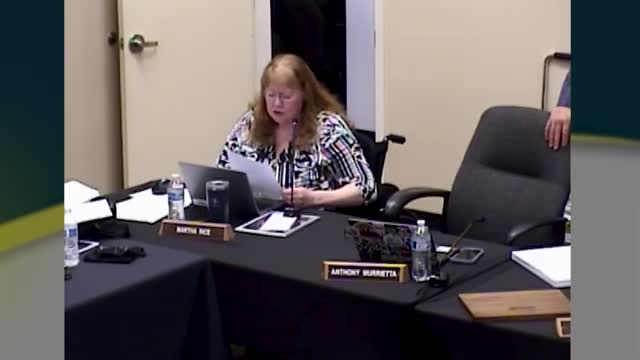
Questions and board reaction: Board members praised the results and congratulated the migrant team. Director Rice called the statistics "outstanding." Director Rice and other board members credited staff and teachers and asked procedural questions about services and follow‑up; no board motion or funding change was taken during the presentation.
Ending: Mendez invited follow‑up questions and said the program will expand wellness activities next year and continue literacy and graduation supports for migratory students.