
Sycamore board signals support to launch planning for later high‑school start times
Get AI-powered insights, summaries, and transcripts
Subscribe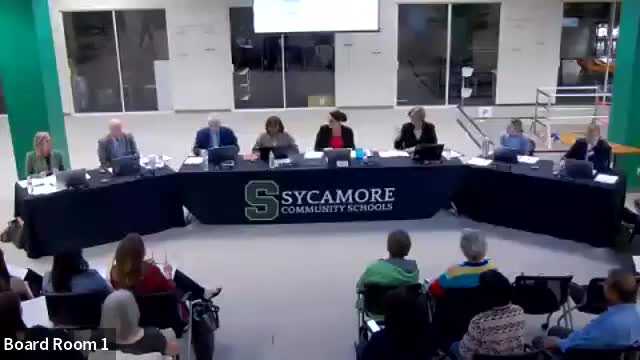
Summary
Students, parents and community members presented research showing later start times improve adolescent sleep and safety; the board agreed to begin collaborative planning, with administrators to return by summer with an outreach plan and logistics workstream.
Sycamore Community City Board of Education members heard a 45‑minute presentation on later school start times and signaled support to begin district planning after parents, students and health‑care partners described evidence linking later starts to better sleep, mental health and lower teen crash rates.
The presentation, led by Ayla, a Sycamore High School sophomore, and other community volunteers, cited recommendations from major medical organizations and proposed a two‑to‑three‑year rollout so a change could take effect in the 2027–28 school year. “For every 1 to 2 minute of a start time delay, students will actually get 1 to 2 more minutes of sleep per night,” Ayla told the board, summarizing the group’s review of sleep studies.
Why it matters: The presenters said the district’s current high‑school day begins at 7:20 a.m., with first bus pickups near 6:01 a.m., a pattern they described as inconsistent with adolescent circadian shifts. They cited statements from the American Academy of Pediatrics, the Centers for Disease Control and Prevention and the American Medical Association recommending middle and high schools start no earlier than about 8:30 a.m., and urged the district to pursue a later start as a public‑health and safety measure.
The presentation and the discussion focused on three questions: 1) Would students actually sleep more if bell times changed? 2) What transportation and extracurricular adjustments would be required? and 3) how to build community buy‑in. Presenters proposed a two‑to‑three‑year implementation timeline that begins with a planning and community‑engagement phase, including town halls and stakeholder meetings.
“A delayed start for our junior high and high school will allow for that,” said Kristen Anderson, a choir director and parent who participated in the community team. The group also described consulting with pediatric sleep specialists and Start School Later, a national advocacy group; the presentation noted local capacity from a children’s hospital expert who would assist the district’s planning.
Board members repeatedly praised the evidence while raising logistical concerns. Board member Dr. James said he was “supportive of starting the process” and urged the district to focus on the necessary nuts and bolts, from bus drivers to extracurricular schedules. Board member Mrs. Bitter said she supported the health rationale but stressed that “I am never going to be in favor of taking transportation away from our students for this,” and asked the administration to preserve bus service for students who rely on it.
District staff told the board administration will lead the work and return with an engagement plan by the end of the summer. The timeline presented by the volunteers and discussed with the board included: an initiation and chartering phase in the coming months, an extended year of community education and listening, logistics and transportation planning during the following year, and a recommendation to the board in mid‑2026 with implementation aimed at the 2027–28 school year. Presenters cautioned the exact target date could shift based on stakeholder feedback and operational constraints.
No motion to change bell times was taken at the meeting. Instead, the board collectively authorized administrators to begin structured planning and community outreach to evaluate options. District staff said they will convene transportation and scheduling experts, engage community partners and present a clear outreach and planning timeline for board review.
The board’s next steps are to accept a draft plan for community engagement and return a progress update at a future meeting. The district asked community members to expect town halls and outreach in the next school year and said volunteers who helped compile the research would assist the administration with stakeholder contacts and engagement materials.
Ending: Advocates framed the issue as a student‑centered public‑health intervention. “Let’s start planning now so that by 2027, we can proudly say that we have put Sycamore students first,” said Isla, a student presenter. The board’s decision to begin planning does not change bell schedules immediately; any change would require later board review and formal adoption after the recommended planning and stakeholder process is complete.