Get Full Government Meeting Transcripts, Videos, & Alerts Forever!
Get email alerts on the Nominee Laurel Muting topic
No spam. Unsubscribe anytime.
Muting tells committee prevention background would inform commission work; says commission must follow statute
Summary
Laurel Muting, nominated to the Nebraska Medical Cannabis Commission, emphasized her prevention experience and said the commission should set rules that protect public health while implementing the statute; she repeatedly told senators she is not an attorney and would rely on legal guidance for authority questions.
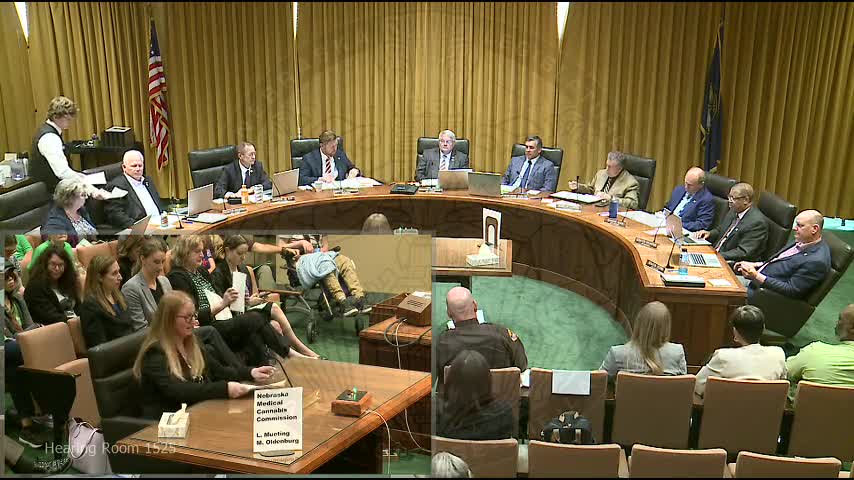
Laurel Muting told the Nebraska General Affairs Committee she seeks to bring a prevention and public‑health perspective to the Nebraska Medical Cannabis Commission if confirmed.
"There's nothing about that goal that says we need to sacrifice public health and safety to attain it," Muting said, identifying herself as the prevention director at Heartland Family Service and noting two decades of work in substance‑use prevention. She thanked Governor Pillen for nominating her and said she would support rules aligned with the statute and the needs of patients.
In questioning, senators pressed Muting about whether the commission can create a list of qualifying medical conditions. Muting responded that she was not an attorney and said, "I can read the statutes and see what they say, but I'm not an attorney," adding that any power to make a list would be a question for the commission as a whole and legal counsel.
Muting said she would examine other states' approaches but declined to commit to a specific list of conditions. She told senators she aims to collaborate with the other four commissioners to draw on evidence and best practices: "I feel like, again, there are other states that have done this and some of them there are some things they're doing well and there are other things that maybe aren't going so well."
Committee members also asked whether the commission could limit product forms such as smokeable flower. Muting noted the statute describes the commission's role in regulating possession, manufacture, distribution, delivery and dispensing; she said if the statute does not empower the commission to set rules about forms, the commission should stay within the statute.
Muting addressed concerns that her prevention background creates a conflict. She said her goal is to help guide rule‑making so the program serves people with debilitating conditions while protecting public health and safety. Supporters at the hearing, including Heartland executives and a Sarpy County sheriff, described her as collaborative and experienced in prevention and policy work.
Her testimony did not include any motion or formal action; questions about the commission's legal authority, product forms and a precise list of qualifying conditions remained open and were left for the commission, counsel and future rule‑making to resolve.