Get Full Government Meeting Transcripts, Videos, & Alerts Forever!
Get email alerts on the Zoning Legislation topic
No spam. Unsubscribe anytime.
Resident warns proposed North Carolina zoning bills would limit local input, create automatic approvals
Summary
A Hickory resident told the city council that around 30 bills in the North Carolina General Assembly could curtail public participation in zoning and create an automatic approval rule after 104 days if local governments do not act.
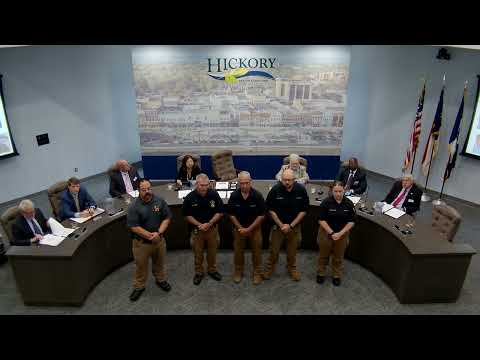
Matt Sin, a Hickory resident, warned the City Council on May 20 that multiple bills in the North Carolina House and Senate would change local zoning procedures and reduce ordinary citizens’ ability to speak at hearings.
“There’s several about 30 bills in the House and Senate that want to change the way we do things,” Sin said. He described proposals that would limit public participation by making zoning hearings more “quasi-judicial” and permitting only expert testimony in some cases. Sin singled out what he called the “new 104 day rule, where if a developer puts in a zoning request, and there's no answer within 104 days, the request automatically is approved in favor of the developer,” calling that change a bypass of representative local government.
Sin urged citizens to push back and suggested temporarily changing voter registration to unaffiliated as a signal to lawmakers. He also cited prior litigation elsewhere, saying opponents had sued and gained large settlements, and said the state proposals would reduce the authority of local, elected decision-makers.
The council did not take action on the remarks. The statements were part of the public comment portion of the meeting and were offered as a civic warning rather than as a formal request to the council. The speaker did not cite specific bill numbers during his remarks; he characterized the package as “about 30 bills” and focused on the proposed procedural changes and the 104-day automatic-approval provision.