Get Full Government Meeting Transcripts, Videos, & Alerts Forever!
Get email alerts on the Higher Education Access topic
No spam. Unsubscribe anytime.
University of Wyoming, tribal liaisons discuss a commitment to cover resident tuition and fees for enrolled Eastern Shoshone and Northern Arapaho students
Summary
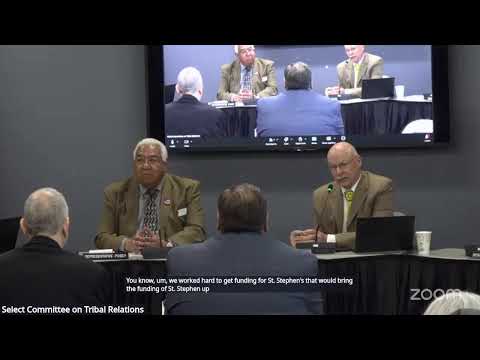
University of Wyoming representatives and tribal liaisons told the Select Committee on Tribal Relations they are developing a scholarship “commitment structure” intended to cover resident tuition and mandatory fees for enrolled members of the Eastern Shoshone and Northern Arapaho tribes who graduate from Wyoming high schools.
University of Wyoming representatives and tribal liaisons told the Select Committee on Tribal Relations they are developing a scholarship “commitment structure” intended to cover resident tuition and mandatory fees for enrolled members of the Eastern Shoshone and Northern Arapaho tribes who graduate from Wyoming high schools.
Why it matters: Tribal leaders have sought a durable mechanism to reduce the cost of attending the state’s land‑grant university for tribal members. A scholarship or tuition‑waiver program would affect access to four‑year degrees and upward mobility for reservation students.
John Starks, president and CEO of the University of Wyoming Foundation, told the committee the university manages multiple endowed funds that currently provide scholarship support for Native students and has increased private fundraising for those efforts. Starks said the foundation now manages several endowed funds that produce annual scholarship distributions.
Alex Keane, University of Wyoming vice president, outlined a draft structure presented to the university’s Board of Trustees: a “commitment structure” that would provide a four‑year renewable scholarship, “set equal to resident tuition and mandatory fees,” for enrolled members of the two tribes who graduate from Wyoming high schools; eligible transfer students would receive awards pro‑rated for up to three years. Keane said the board asked university planners to return with a complete endowment agreement and more detailed funding steps.
Funding approach: Keane said the university would explore a mix of expendable cash and endowment resources and that an initial target endowment figure discussed internally was about $6 million to fund current enrollment patterns; trustees requested a written endowment agreement before approving a funding plan. Keane emphasized the award would stack with other scholarships such as Hathaway and the university’s Cowboy Commitment.
Next steps: The university asked tribal liaisons and tribal leaders to continue discussions and to consider how private donations, university contributions and other sources could seed an endowment. Tribal representatives at the meeting said the tribes have limited capacity to seed a large endowment and urged university fundraising and state dialogue.
The committee did not take a formal vote but members noted the proposal could be a major step toward improving four‑year access for enrolled tribal students if funding is identified.