Get Full Government Meeting Transcripts, Videos, & Alerts Forever!
Get email alerts on the Tribal Health 638 topic
No spam. Unsubscribe anytime.
Wind River tribal healthcare CEO urges more funding, expanded services under 638 compact
Summary
Rick (Wind River Family Community Healthcare) told the Select Committee his tribal 638‑contracted health system treats thousands with fewer than 30% of needed federal per‑capita funds. He highlighted investments in behavioral health, transportation and clinic growth and asked for continued state and federal support.
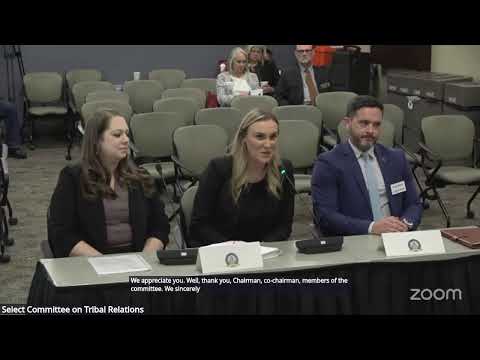
Rick (CEO, Wind River Family Community Health Care) told the committee May 20 that his 638‑contracted tribal health organization has expanded services across the Wind River Reservation but remains substantially underfunded compared with national per‑capita health spending.
Why it mattered: the CEO framed the funding gap as an outcome of historical and contemporary trauma and said the reservation’s medical needs — preventive care, behavioral health and maternal services — remain under‑resourced, increasing risks for severe outcomes and avoidable intensive care stays.
Rick said the clinic now operates multiple sites, has grown behavioral‑health staff from two counselors to about 16 and is pursuing telemedicine and a joint‑venture clinic with the Indian Health Service to expand capacity. He described a transportation program that brings patients to specialty care in Denver, Salt Lake City and Billings and a locally funded local transport option for appointments.
Rick said the tribe receives a fraction of the staffing‑level funding the IHS has identified as needed and cited Public Law 93‑638 (the Indian Self‑Determination and Education Assistance Act) as the statutory framework that enables tribes to operate health programs directly. He described the long administrative path to build local capacity but said the tribal 638 model has allowed more responsive, locally governed services than direct federal provision.
Committee members praised the 638 approach and highlighted recent state policy to expand tribal Medicaid access as an important revenue source; several members also offered to help with federal funding advocacy. The CEO said he would welcome coordination with Eastern Shoshone tribal health to pursue an interoperable electronic‑health record and shared services.
Ending: committee members signaled support for continued state–tribal coordination on Medicaid and discretionary program funding; tribal health leaders said they will work with state and congressional offices on larger funding and infrastructure proposals.