Get Full Government Meeting Transcripts, Videos, & Alerts Forever!
Get email alerts on the Solid Waste topic
No spam. Unsubscribe anytime.
Arapaho First outlines cleanup, grant and operations plan after years of illegal dumping at reservation transfer sites
Summary
Arapaho First and tribal solid-waste managers told the Select Committee on Tribal Relations they removed hundreds of tons of waste, used USDA funding for repairs and are pursuing grants and new operations to curb illegal dumping at multiple reservation sites.
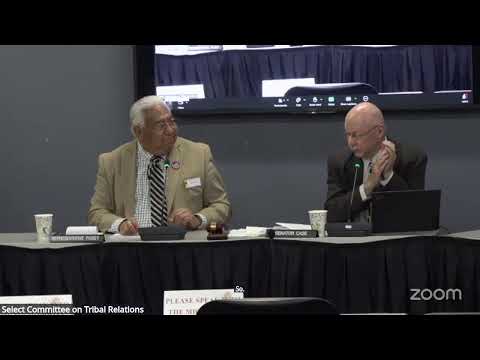
Sean Brown, an Arapaho First representative, told the Select Committee on Tribal Relations that Arapaho First has taken on management of multiple transfer stations and undertaken an extensive cleanup effort after years of neglect and open dumping.
"We were able to clean it up. It was a total of 506 tons of, waste that we removed from the EFT transfer station," Brown said, describing a joint cleanup the tribe paid for and partly shared with intertribal partners.
The cleanup and upgrades matter because the transfer stations serve residents across the Wind River Indian Reservation and beyond, and years of fires, damaged canisters and open dumping left sites unsafe or unusable. Brown said Arapaho First sold an asset to raise capital, contracted Hopper Disposals and removed waste that cost roughly $137,000 to clean up, with intertribal partners agreeing to cover half the cost.
USDA grant and equipment
Brown told the committee Arapaho First obtained a USDA grant "which was 1,400,000.0" and used funds within the grant parameters to buy infrastructure and equipment for the transfer stations. He said the tribe purchased eight new 40-yard containers, spent about $84,000 on containers, repaired fencing, installed cameras and staffed a gate attendant to separate tires, metals and municipal trash. He said the facility has operated under the new configuration for roughly three months.
"We had a USDA grant that we received the year prior," Brown said, describing how the funds were applied to equipment upgrades and fencing to reduce open dumping.
Scope of illegal dumping and next steps
Brown identified the reservation's largest illegal-dumping sites and said the tribe has begun preliminary engineering work and an integrated solid waste plan. He said three large sites selected for study include one near Great Plains housing (about 27 acres of trash), a site called Double Dives off Gas Hills (about 19 acres) and a smaller Yellow Calf site (about 7 to 10 acres). He also described East Bay/E3 transfer station conditions and an earlier major cleanup of roughly 25 acres.
Brown said Arapaho First is seeking multiple grants, including a Community Change grant application and other supplemental funding, and has received $50,000 from the Indian Health Service to support a planning study. He said the tribe recently submitted documents to the EPA related to remediation at a former bulk-storage site and is awaiting approval to begin hauling fuel once the SPCC plan is accepted.
Local solid-waste directors' view
Veil Tambana, director of the Shoshone/solid-waste program (Fort Washakie/Crowheart/Ethete areas), told the committee the split from an intertribal joint program alleviated pressure on a small crew and that they have begun measures to reduce bin fires by creating an ash pit and by directing appliances and metals to Lander, which accepts them.
"It's coming along pretty good," Tambana said, describing haul schedules and plans to begin charging for some services once the council approves fee changes.
Community volunteers and partnerships
Committee members and presenters described extensive volunteer support during cleanups. Brown said the first volunteer day drew more than 100 people and subsequent days more than 60, and that casinos and other local partners donated labor and materials.
What the committee asked and what was directed
Committee members thanked tribal leaders for the work and asked about reopening the Arapaho transfer station and plans to address ongoing illegal dumping. Brown and other speakers said they will pursue additional grants and partnerships and finalize an integrated solid-waste plan and rate study. No formal motions or votes were taken at the meeting.
Ending
Tribal solid-waste leaders asked for continued intergovernmental cooperation, funding flexibility and additional training and equipment to sustain new operations and to reduce illegal dumping across reservation sites.