Get Full Government Meeting Transcripts, Videos, & Alerts Forever!
Get email alerts on the Solid Waste Illegal Dumping topic
No spam. Unsubscribe anytime.
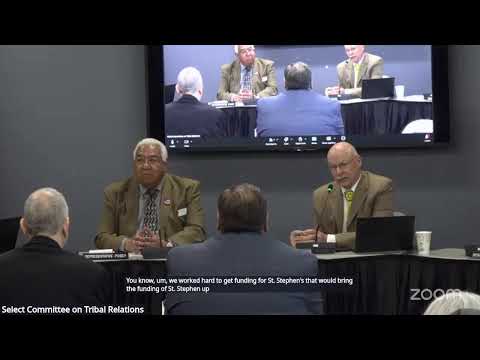
Tribal leaders press EPA, state partners for funding to clean illegal dump sites on Wind River Reservation
Summary
Leaders from the Northern Arapaho and Eastern Shoshone described long-running illegal dumping across the Wind River Indian Reservation and said recent EPA grants and new tribal codes could help but that cleanups will cost millions and require federal, state and county cooperation.
Tribal leaders and state liaisons told the Select Committee on Tribal Relations that illegal dumping on the Wind River Indian Reservation is extensive and costly, and that recent progress with the EPA and emerging tribal enforcement tools have not yet removed major funding and capacity barriers.
Why it matters: Committee members and tribal officials said the scale of illegal dumping threatens public health, wildlife habitat and tribal budgets and that cleanup will require new federal and state grant support as well as better coordination between tribal, county and federal authorities.
Tribal council members described multiple ongoing efforts. “We got our situation with the, solid waste issue. We got that straightened out,” said Zambehu, a member of the tribal business council, reporting on his council’s work. Chairmen and council members said the tribes are pursuing federal grants and retooling law-and-order codes so tribal courts can prosecute illegal dumpers.
State and tribal officials described recent EPA engagement. Anita Romans, tribal liaison for the governor’s office, told the committee that the EPA has been “encouraging the Northern Arapaho tribe to submit an application” and that there are now grant opportunities the tribes can pursue; she reported that the tribal leaders told an EPA official about “1,100 illegal dump sites” in and around the reservation. Chairman Groesbeck (Arapaho) said EPA “is finally dealing with the tribes as separate entities” and that integrated solid waste plant funding may be available for cleanup planning.
Tribal officials described immediate responses: cameras and locked transfer stations, tipping fees for non‑enrolled users, and job training for tribal solid‑waste staff. “We have cameras now… so we could capture license plates and vehicles,” said Chairman Grossback, describing the Fort Washakie transfer stations. He and others said cleanup costs for several large sites could run into the millions.
Barriers remain: officials said staffing shortages in tribal law enforcement and uncertainty about which agencies will fund large cleanup projects slow progress. James Charles, tribal liaison in the governor’s office, said a major $10 million grant application was frozen and later revived only after months of follow‑up paperwork; he urged continued high‑level outreach to secure funding. Committee members offered to help with federal‑level contacts.
Next steps and questions for follow‑up: Tribal leaders said they will pursue EPA grants, continue revisions to tribal law and order codes to criminalize illegal dumping, and work with county solid‑waste boards to coordinate disposal options. They asked the committee to support liaison work with Region 8 EPA and federal partners.
The committee did not take formal action; members discussed options for state‑tribal coordination and follow‑up with EPA and county partners.