Get Full Government Meeting Transcripts, Videos, & Alerts Forever!
Get email alerts on the Air Quality topic
No spam. Unsubscribe anytime.
Residents, health advocates press Allegheny County Council to advance air-permit fee increases
Summary
Community groups and residents urged Allegheny County Council to put a proposed increase to Allegheny County Health Department permit fees on the agenda so the department can secure funding for permitting, monitoring and enforcement.
Allegheny County residents, public-health advocates and environmental groups urged County Council to place a proposed increase to Allegheny County Health Department (ACHD) permit fees on an upcoming agenda so the department can secure funding for permitting, monitoring and enforcement.
Advocates said the fee increases are an administrative step to ensure ACHD can write, monitor and enforce permits that limit industrial air pollution and protect public health. They urged councilmembers to move the proposal from committee to a public hearing and vote.
The matter matters because ACHD’s ability to review permits, model air quality and enforce conditions depends on stable funding. Speakers said the proposed permit fee schedule would shift the cost of administering the air program to polluters rather than taxpayers and would finance staff and technical work necessary to implement existing law.
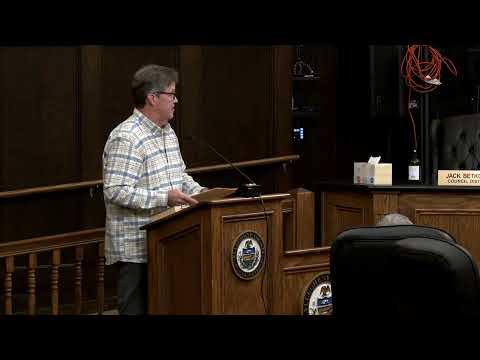
At the meeting, Patrick Campbell, executive director of Group Against Smog and Pollution, asked council to act. “Please get the fee schedule changes on the next agenda for a public discussion and a vote,” Campbell said. He and other speakers described the issue as an operational, not punitive, change that would allow ACHD to produce “complete effective permits.”
Arushi Pant, executive director of Allegheny County Clean Air Now, said the increases are fair because they reflect the cost of permitting and enforcement. “A yes vote for air permit fee increases is a vote for a healthier, more prosperous, and more just county,” Pant said.
Jay Ting Walker, advocacy coordinator with Clean Air Council, warned of health consequences: “People are dying in our county from air pollution.” Walker and other advocates said the fee changes were vetted through committees and a public process and urged council to restore the proposal to the agenda after it was withheld from a full-council vote.
Several speakers cited that the proposal had advanced through ACHD and county committees but had not been scheduled for full council consideration. Maya Fishoff, a resident who has followed the process, summarized council positions she had seen published by a local coalition and said three councilmembers had publicly opposed the increases while others remained undecided; she asked those undecided members to explain outstanding concerns and whether they could be addressed.
Residents and advocates described local examples of exposure and illness they attribute to nearby industrial facilities, and they argued that stronger permitting and enforcement would make long-term cleanup and public-health protections possible.
Council did not vote on the fee schedule during the meeting; commenters asked the council to schedule a public discussion and vote at a future meeting.
Supporters said the funding would be restricted to air-program work, while opponents have signaled concern about how collected funds are spent. Speakers urged council to adopt written protections to keep fee revenue dedicated to air-quality work. The council did not adopt any new ordinance or resolution on the fee schedule during the session; discussion of the permit-fee proposal remained in public comment and committee review.
Community groups said they would continue to press council for a public vote and for assurances that fee revenue would be used for permitting, monitoring and enforcement.
The council moved on to other business without scheduling the fee changes for a vote.