Get Full Government Meeting Transcripts, Videos, & Alerts Forever!
Get email alerts on the Mining Voiseys Bay topic
No spam. Unsubscribe anytime.
Panel rejects INCO’s Voisey’s Bay EIS; speakers warn of environmental and livelihood risks
Summary
A review panel rejected INCO’s environmental impact statement for a proposed nickel mine at Voisey’s Bay and required the company to conduct further studies, according to the transcript of the proceeding dated May 1, 1998.
A review panel rejected INCO’s environmental impact statement for a proposed nickel mine at Voisey’s Bay and required the company to conduct further studies, according to the transcript of the proceeding dated May 1, 1998.
The decision matters because speakers and the transcript describe potential long‑term environmental contamination at Voisey’s Bay, threatens wetlands and spawning channels such as Reed Brook, and could affect the food supply and livelihoods of nearby Inuit and Innu communities, including those in Nain and Davis Inlet.
The transcript says the Voisey’s Bay mineral discovery was made in 1994 and that INCO’s proposed mine and mill complex was expected to be larger than its Sudbury operations. The document reports that the company’s environmental impact statement identified about 40 breeding pairs of the Atlantic harlequin duck in the project area and noted Reed Brook as an Arctic char spawning channel. The transcript also states that wetlands are vulnerable because the Quebec–Labrador peninsula is “40% water,” and that tailings from sulfur ore mining remain toxic for extremely long periods.
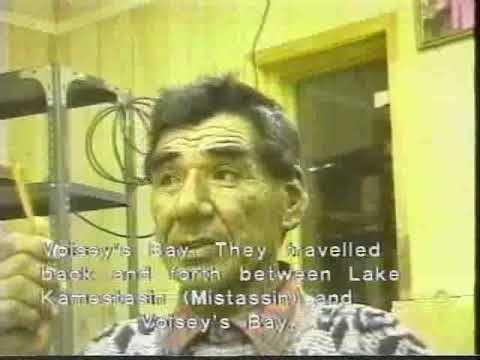
Speakers described the stakes for local communities. A speaker identified in the transcript as “Resident” discussed household incomes and reliance on subsistence harvesting: “some people make 4 or $5,000 a year,” the Resident said, and added that incomes in the community “is very low, very low,” noting that families often depend on wildlife for food.
The transcript links the proposed development to historical industrial intrusions on Indigenous lands. It references construction of hydroelectric dams (the Churchill Falls project), military activity at Goose Bay, and earlier relocations and social disruptions affecting the Innu. The document says past projects brought roads that led to logging, pulping and smelting, and it characterizes Voisey’s Bay as a biologically rich river delta with migratory waterfowl and songbirds.
The panel action recorded in the transcript—dated May 1, 1998—was that the review panel rejected INCO’s environmental impact statement and required INCO to conduct further environmental and social studies before the project could proceed. The transcript also recounts a prior protest in late August 1997 during which about 300 Inuit protesters blocked INCO’s attempt to build a road and airstrip at Voisey’s Bay, an episode described as an attempt to push infrastructure work forward before environmental assessments were finished.
What changed as a result of the panel’s rejection, and any later filings or approvals by INCO or regulators, are not specified in the transcript.
Details stated in the transcript that were not independently verified here include a reported $10,000,000,000 valuation of the discovery, claims that the Churchill Falls project flooded 21,000 square miles, and counts of marine species visiting local bays (the transcript lists six seal species and 12 whale species). Those figures are presented in the transcript as claims or descriptions from speakers and the company’s environmental statement; the transcript itself does not provide supporting citations within the record.
The review panel’s rejection and the requests for additional study were the formal actions recorded in the transcript; other material in the record consists of historical context, environmental and cultural concerns, and community economic considerations. The transcript does not record a final regulatory approval or a subsequent decision point for the proposed mine.
Further inquiries about whether INCO submitted a revised environmental impact statement, the panel’s written reasons, or subsequent regulatory actions would need to consult the panel’s official record and filings with provincial and federal regulators.