Get Full Government Meeting Transcripts, Videos, & Alerts Forever!
Get email alerts on the Human Rights Reports topic
No spam. Unsubscribe anytime.
Human Rights Commission: two-thirds of 2024 contacts cited race, education settings a frequent site
Summary
Leslie Dominguez Santos, Barnstable County human rights coordinator, reported 45 intake touch points in 2024 and said two-thirds of those callers identified race as a basis for their complaint; schools and public spaces were among the most-cited locations.
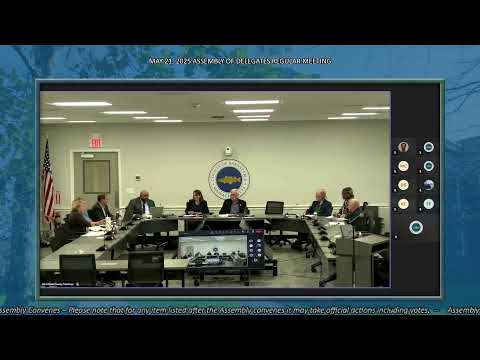
Leslie Dominguez Santos, human rights coordinator for Barnstable County, reviewed the Human Rights Advisory Commission’s 2024 activities and intake data for the Assembly of Delegates on May 21, saying race-based reports made up “fully two thirds of the phone calls that I received.”
The commission recorded 45 touch points in 2024 — calls or online reports seeking information, reporting incidents, or requesting referrals — and staff tracked protected-class categories aligned with federal and Massachusetts law. Dominguez Santos told the assembly she added a “reports” category in 2023 to capture incidents callers wanted logged but not pursued for further action.
Education settings were a prominent site for complaints. Dominguez Santos said the commission received reports across kindergarten through 12th grade, and that many initial calls come from parents rather than students. She said incidents in younger grades were frequently name-calling that callers described as race-based; at the high-school level, calls included racial slurs, antisemitic and anti-Muslim incidents, anti-LGBTQ incidents and reports concerning students with disabilities. She said physical incidents most commonly occurred in hallways and at sporting events, and that several high-profile social media incidents also resulted in school action.
The commission’s intake work focuses on referrals and community education rather than legal enforcement. Dominguez Santos said the commission refers callers to local nonprofits, school administrators and police where appropriate and that many outcomes are organizational trainings or internal policy changes. “People feel heard and acknowledged and supported,” she said, describing a major nonlegal outcome of the commission’s work.
Dominguez Santos also reported an increase in reports tied to national origin and religion and said she tracks press accounts as well as direct calls. She noted an uptick in antisemitic graffiti across the Cape and said she serves on the district attorney’s anti-human-trafficking working group; she said she has not personally handled a trafficking case while serving as coordinator, though trafficking has come before the commission historically.
Dominguez Santos described three signature annual events — two human rights academies and International Human Rights Day — and said the commission continues outreach to towns and tribal partners. Delegates discussed using the Assembly’s facilities to host community education and agreed to follow up; the speaker suggested a possible working group and a June 4 update on the housing working group referenced earlier in the meeting.
The commission has nine commissioners, two alternates and designated town liaisons who help surface local reports and connect residents to the county resource, Dominguez Santos said.