Get Full Government Meeting Transcripts, Videos, & Alerts Forever!
Get email alerts on the Nuisance Ordinance topic
No spam. Unsubscribe anytime.
Rawlins council debates broader rewrite of nuisance rules, third reading fails
Summary
City Attorney Pineda Mayberry briefed the Rawlins City Council on proposed revisions to Chapter 8.16 of the Rollins Municipal Code, saying the changes grew from months of work with multiple departments and stakeholders and were intended to make nuisance enforcement more 'resident friendly.'
City Attorney Pineda Mayberry briefed the Rawlins City Council on proposed revisions to Chapter 8.16 of the Rollins Municipal Code, saying the changes grew from months of work with multiple departments and stakeholders and were intended to make nuisance enforcement more “resident friendly” while clarifying due-process steps. "We also recognized some language clarifications that needed to be made," Mayberry told the council, and later summarized specific edits: adding litter to the definition of nuisances, changing the title from "citation" to "notice," and allowing officers discretion to "may issue a citation" rather than requiring one.
The changes were presented at a workshop and then on the council agenda for a third reading. The proposal would replace or repeal the existing Chapter 8.16 in its entirety under the city ttorney's authority and tailor municipal procedures where state statute language referenced county-level processes that the city cannot perform. Mayberry described a tiered enforcement approach intended to give officers flexibility: a notice period that can be shortened by the nuisance officer for nonserious matters with immediate abatement reserved for more severe cases. She also said the draft restores an appeal process that had been omitted from a second-reading draft and affirms that nuisance citations follow "the appeal process set forth in the Wyoming rules of criminal procedure."
Council members and staff flagged implementation and equity issues in public discussion. Council Member Derek Elliott asked how "junk" is defined; Mayberry read the ordinance's laundry-list definition, including "dismantled or wrecked automobiles or parts thereof" and material "no longer in use for their intended purpose" and visible from adjacent public ways. Residents' practical barriers also came up: Elliott described a constituent who cannot afford landfill disposal and asked whether the city could place temporary dumpsters by ward; Cody Dill of Public Works said past free container programs led to abundant illegal dumping and that the city lacks staff to manage similar projects now. The council also discussed priority enforcement areas; members said weeds, junkyards and properties with multiple vehicles were recurring complaints.
Council members debated whether to repeal the existing chapter and adopt the new draft as a full replacement so the ordinance record would be cleaner for the future. Several members supported reissuing the measure and running three readings to allow public notice and comment; Mayberry confirmed the city may present the repeal/replacement under the Wyoming statute she cited and that public hearings are not statutorily required but are common practice.
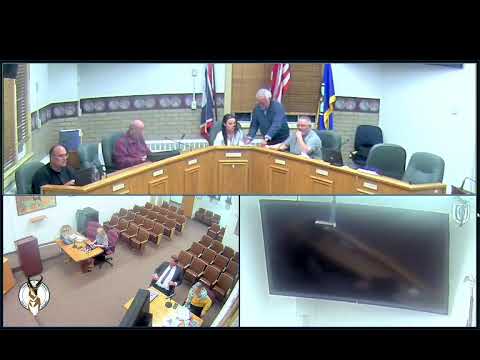
The matter reached a formal vote during the regular meeting. The motion to approve the third and final reading and waive the reading of the ordinance revising Chapter 8.16 failed in a roll-call vote, four nays to one yea. Council Member Winnie Patterson cast the lone yes vote; the motion did not pass. The council directed staff to bring the ordinance back for further consideration and to post materials publicly to increase transparency and stakeholder input.
Discussion-only items recorded in the meeting included prioritization requests for enforcement (weeds, potential junkyards), logistics concerns about implementing temporary disposal programs, and requests for additional public outreach. The formal action was the failed third reading; no portions of the revised ordinance were enacted at that meeting.