Get Full Government Meeting Transcripts, Videos, & Alerts Forever!
Get email alerts on the Post Fire Contamination topic
No spam. Unsubscribe anytime.
Residents report elevated metals inside homes after fire; request testing and remediation support
Summary
Several residents said indoor air and dust tests showed very high metal concentrations after the Eaton Fire, and asked the city for testing resources or guidance; a resident described lead about 60 times and zinc about 300 times 'danger' levels in a professional industrial-hygiene report.
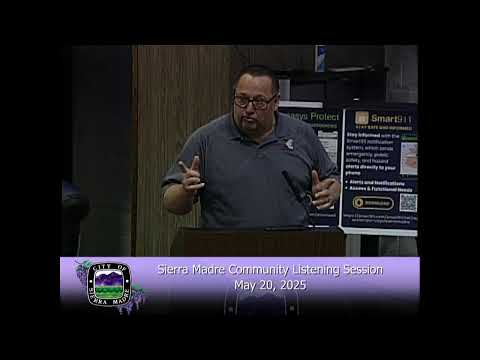
At the Sierra Madre listening session, at least one resident reported industrial-hygiene testing that showed high concentrations of metals inside a home after the Eaton Fire and asked the city for testing and remediation support for canyon residents.
"The lead is 60 times danger, the zinc is 300 times danger," said a resident who had an industrial hygienist perform a 30-page metals test on an affected Woodland Drive home and offered to share the report with others. The resident said the contamination appeared to be wind-blown material that entered the home and not legacy lead paint.
Others described persistent smoke odor and visible soot in houses and asked the city to help identify testing and remediation resources. Residents referenced programs including Rebuild LA and a group called Habitat Works (Habitat LA) that are providing air remediation in some cases, and an organization named LA Fire Justice that is pursuing legal claims against Edison for uncovered costs.
City staff and consultants said they will record requests for testing and remediation in the after-action report and encouraged residents to provide test results and contact information so consultants can follow up. No city-funded testing or remediation program was announced at the session.
Why it matters: Elevated indoor contamination can pose short- and long-term health risks; identifying exposure sources and providing coordinated testing guidance can help residents and inform claims to insurers or grant-funded remediation programs.
Speakers who raised contamination concerns included a Woodland Drive resident (industrial-hygiene testing), and other canyon residents reporting smoke, soot and persistent indoor odors. Consultants reiterated the process for logging comments and said they will attempt to identify resources in the after-action report and hazard mitigation planning process.