Get Full Government Meeting Transcripts, Videos, & Alerts Forever!
Get email alerts on the Middle Housing Luca topic
No spam. Unsubscribe anytime.
Residents, housing groups urge Bellevue to adopt middle‑housing changes; parking concerns raised
Summary
During oral communications May 20, public commenters urged the council to adopt the city staff and planning commission’s middle‑housing land‑use code amendments, citing surveys, affordability data and the need to retain middle‑class residents. Several speakers also asked the council to plan for parking and traffic effects of denser housing.
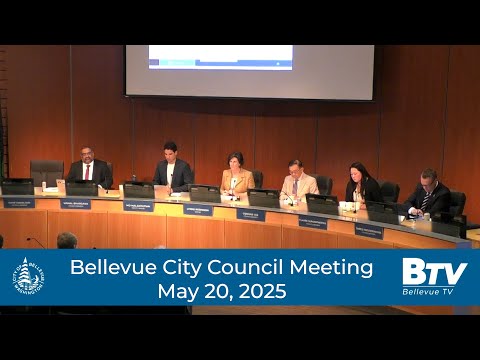
Dozens of pre‑registered speakers at the May 20 Bellevue City Council meeting used oral communications to press elected officials on middle‑housing code changes and related local impacts.
Why it matters: The middle‑housing land‑use code amendments would change where and how smaller multiunit housing can be built near transit — a direct lever for creating more homes affordable to teachers, police officers and other middle‑income workers. Public sentiment at the meeting showed organized support for immediate adoption of staff and planning commission recommendations, along with questions about parking and traffic that council will need to address.
Public support and evidence cited
Valentina Veniva, a resident of Crossroads, told the council she supports the planning commission and staff proposals for middle housing and cited a City of Bellevue survey and regional data: “According to the state survey by our department of commerce and Puget Sound Regional Council, housing costs are the number 1 issue for people in our region,” she said, and noted city polling that found strong local support for middle housing near transit.
Edward Wang and other speakers urged adoption as a way to allow teachers, firefighters and police officers to stay in Bellevue by enabling smaller‑unit development or increased unit counts per lot. Wang described land‑cost math and argued that “to actually fit the 6 homes for families on a lot” the code adjustments are needed.
Parking and traffic concerns
Several speakers asked the council to be explicit about parking requirements for new middle housing. Victor Bishop, summarizing the city’s travel‑mode assumptions, urged adequate parking provisions and infrastructure investment for traffic impacts. Drawing on city data he said, “For every new rail trip, there will be 19 new car trips,” and cautioned that most new person trips in the near term will be made by car, meaning additional parking demand and vehicle trips.
Council action and next steps
The oral‑communications period provided councilmembers with viewpoints from residents, housing advocates and business representatives but did not include a council vote on the middle‑housing LUCA. Several speakers asked the council to adopt the staff and planning commission proposal without delay; councilmembers indicated they would consider those inputs alongside other agenda items and staff analysis in coming meetings.
Clarifying details offered at the meeting
Speakers referenced city and regional surveys that they said show broad public support for middle housing near transit and cited state legislative activity supporting housing reforms this year. Commenters also recommended that the council pair any density changes with clear parking ratios and traffic mitigation funding.
The council did not take final action on middle‑housing at the May 20 meeting; staff will continue to process public input and provide ordinance language and analyses for council consideration.