Get AI Briefings, Transcripts & Alerts on Local & National Government Meetings — Forever.
Committee considers self‑insurance pool for churches and religious organizations
Loading...
Summary
The committee considered House Bill 33,20, a proposal to let churches and religious organizations form property and casualty self‑insurance pools regulated by the Texas Department of Insurance.
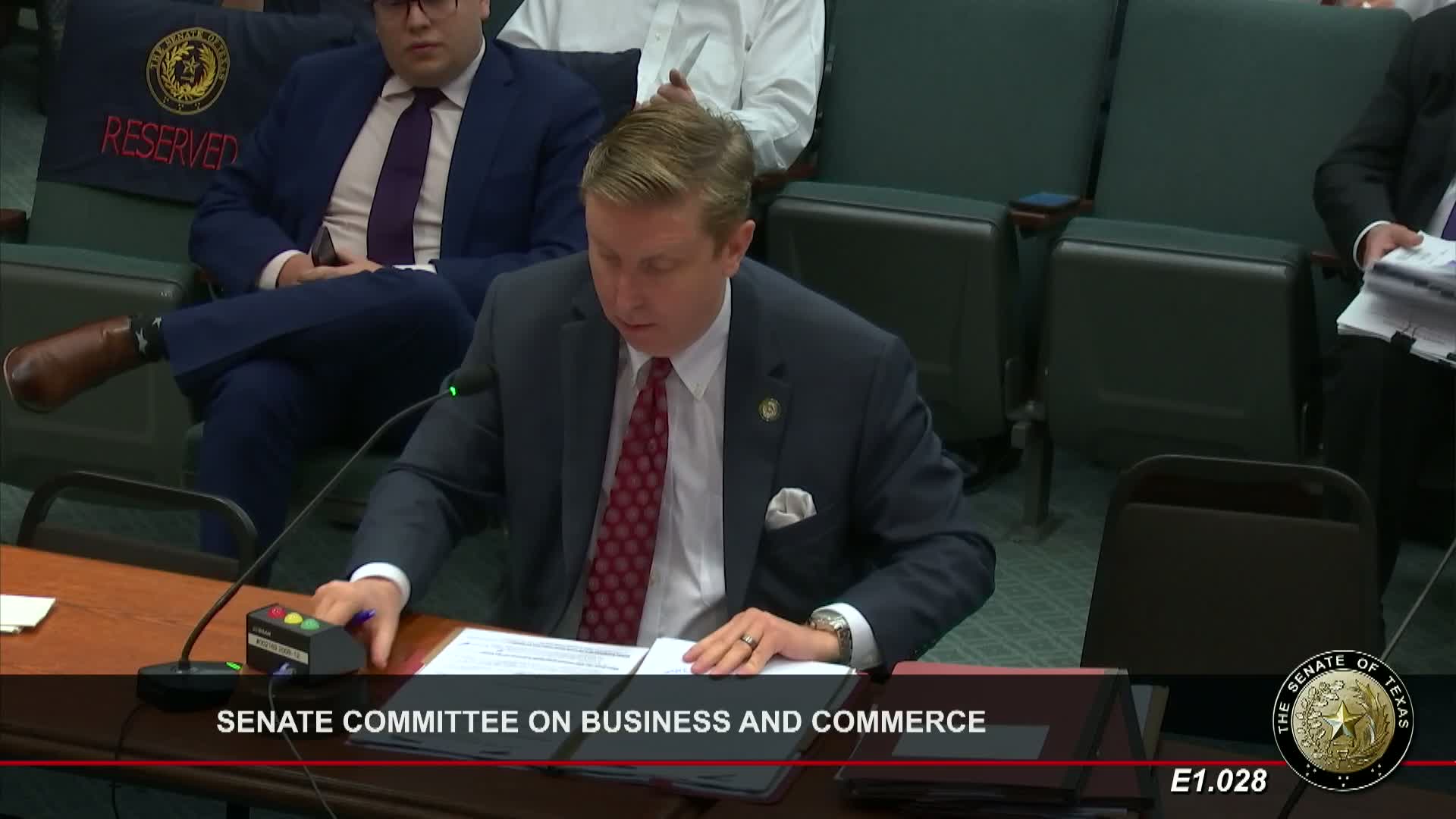
Senator Sam Parker laid out House Bill 33,20 to permit churches and religious organizations to form property and casualty self‑insurance pools. The measure would allow the pool to operate a trust fund and to be overseen by a board of member representatives; it specifies solvency safeguards and that the Texas Department of Insurance (TDI) retain supervisory authority.
The sponsor said traditional commercial insurance can be expensive for older buildings and large properties and that a self‑insurance pool would let churches “share risks and lower costs, keeping more money in ministry and service.” The bill sets financial triggers (for example minimum net worth per member and premium thresholds) and requires TDI application, reporting, and examination.
Jamie Walker, deputy commissioner for financial regulation at TDI, appeared as a resource witness and explained TDI would continue to regulate the entity, require filings and rates, and perform examinations. Walker noted the bill’s approach is similar to prior statutes authorizing risk pools for political subdivisions or educational institutions.
Opponents were not prominent in the transcript; the committee left the bill pending.
Actions
Public testimony taken; bill left pending.
Why it matters
If enacted, the bill would create a pathway for religious institutions to self‑insure property and casualty risk under state supervision, potentially lowering costs for eligible members while requiring regulatory oversight.