Citizen Portal
Sign In

Senate approves extensions, expansions of hospital provider-participation funds after amendment debate

3464652 · May 22, 2025

Loading...

AI-Generated Content: All content on this page was generated by AI to highlight key points from the meeting. For complete details and context, we recommend watching the full video. so we can fix them.

Summary

Lawmakers approved a bill to extend and create local provider participation funds (LPPFs) in several counties, adopted amendments increasing certain funding and making programs immediately effective, and recorded divided votes on third reading.

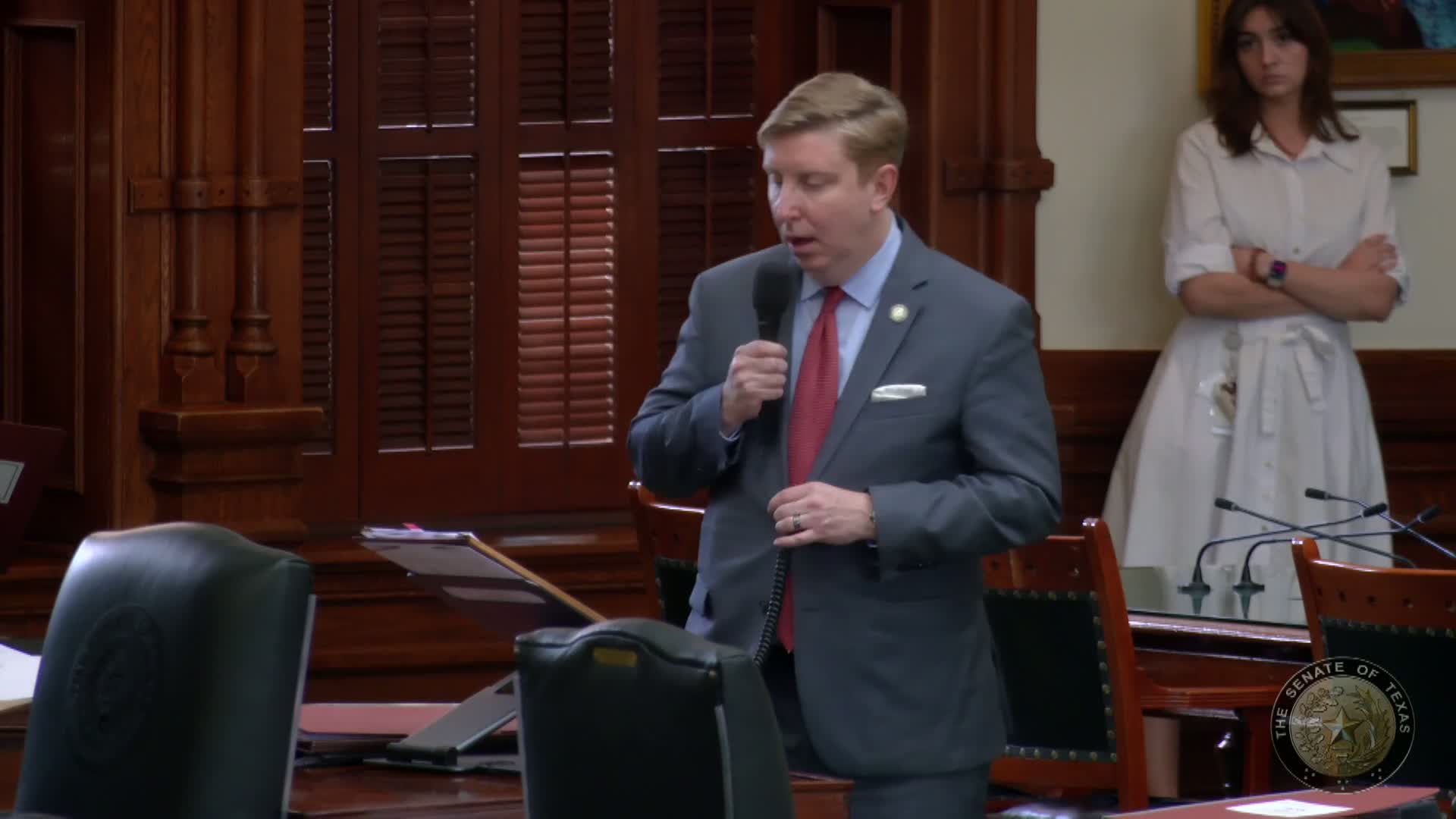
Senator Parker, State Senator, brought Committee Substitute House Bill 33 48 to the floor to extend existing local provider participation funds (LPPFs) in Denton and Collin counties and to create a new LPPF in Burnet County.

"An LPPF or a local provider participation fund is a method by which hospitals can pull a portion of net patient revenue to create the non‑federal or state portion of Medicaid matching funds," Parker said, explaining the program’s purpose and that HB 33 48 extends and creates specific county programs.

Senator Paxton offered floor amendment number 1 to strike $150,000 and substitute $300,000, saying the Collin County Commissioners Court had requested the increase; Parker agreed the amendment was acceptable and the Senate adopted it.

Senator Hughes offered a floor amendment (number 2) tied to an existing bill; he later described it as germane and acceptable to the author but withdrew that amendment after questions and discussion. Parker then offered floor amendment number 3 to make the LPPFs effective immediately; the amendment was adopted.

Senators discussed broader policy context for LPPFs. Senator Kolkhorst asked whether a regionally focused LPPF was an extension of existing districts; Hughes and others explained the districts serve regional hospitals and draw down federal matching funds. Hughes noted federal CMS scrutiny of some provider‑supplement arrangements and said the amendment was an abundance of caution to keep the bill "tight and within its appropriate strike zone." Senator Kolkhorst and others emphasized LPPFs’ role in offsetting uncompensated care through multiple funding streams.

On third reading, the bill passed 28 ayes and 3 nays. The Senate later suspended the three‑day rule and finally passed the bill; the final roll call showed 31 ayes and no nays.

The bill includes administrative cost schedules and immediate effective dates for the programs as amended; senators said the changes would help hospitals and preserve access to federal Medicaid matching funds.