Get Full Government Meeting Transcripts, Videos, & Alerts Forever!
Get email alerts on the Aquatic Invasive Species topic
No spam. Unsubscribe anytime.
House passes fee increases to fund aquatic invasive species prevention
Summary
The Oregon House approved HB 29 82 to raise certain boat permit fees and fund inspections and prevention work aimed at stopping quagga and zebra mussels from entering state waterways.
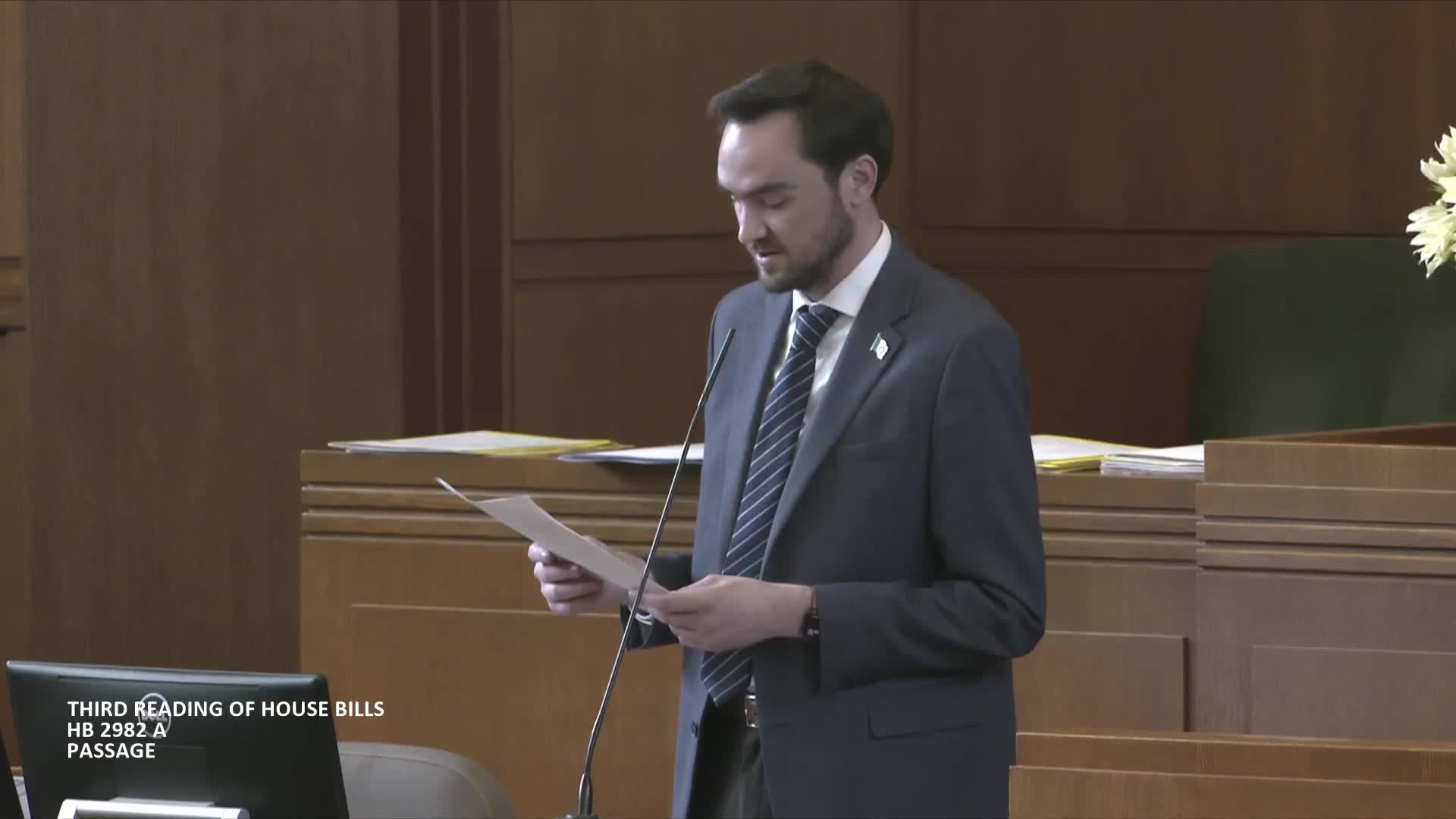
The Oregon House on May 22 passed House Bill 29 82, a fee bill that increases some small‑watercraft fees to fund inspections and other efforts to prevent aquatic invasive species such as quagga and zebra mussels from entering Oregon waterways.
Proponents told the chamber the measure will expand boat‑inspection capacity and create more consistent funding for the Oregon Department of Fish and Wildlife (ODFW) and partner enforcement agencies. Representative Pam Helm, the bill carrier, said the state is on the “doorstep of a natural calamity” from invasive freshwater mussels that colonize infrastructure and are costly to remediate.
“The solution once there is a detection … is just a hot soapy bath right there,” Helm told colleagues, describing inspection and decontamination protocols. She said Idaho’s recent detections required millions in emergency funding and argued Oregon needs to increase prevention now rather than pay far higher costs later.
HB 29 82 changes fee language in statute; the bill text presented on the floor replaces an annual non‑Oregon fee of $20 with $30 for certain craft not registered in Oregon and makes modest other fee adjustments. Representative Helm and other supporters noted the current waterways permit is about $11.75 for nonmotorized craft and said the bill aims to broaden participation and revenue for prevention work while avoiding enforcement against casual floaters: “This is not trying to be an enforcement trap around people that are just trying to enjoy themselves on the water,” Helm said.
Several rural lawmakers backed the bill, saying their communities and irrigation districts would face disproportionate costs if invasive mussels became established. Representative Bobby Levy said the bill “strikes the right balance between priorities and prevention without putting an egregious amount of tax or fees upon folks who recreate in our great outdoors.” Representative Owens noted local partners have been seeking ways to finance check stations and other infrastructure to keep mussels out.
The House recorded no sustained opposition during debate on the floor; the bill “having received the constitutional majority” was declared passed. The measure increases fees to boost long‑term inspection staffing and support waterway access permitting and prevention grants; the text refers to the aquatic invasive species prevention fund as the repository for collected fees. Lawmakers said attorney‑general or agency rulemaking will determine specific enforcement and implementation.
Supporters urged prompt implementation, citing the high cost of remediation if mussels establish in irrigation systems, dams and recreational waters. The bill now proceeds to the Senate for consideration.