Get Full Government Meeting Transcripts, Videos, & Alerts Forever!
Get email alerts on the Housing Renters Broker Fees topic
No spam. Unsubscribe anytime.
Senate adopts amendment shifting apartment broker fees to landlords
Summary
The Massachusetts Senate voted to adopt an amendment to prevent brokers' fees from being routinely charged to tenants, instead requiring the party that contracts the broker and benefits from the service to pay.
The Senate adopted an amendment on the budget floor aimed at keeping broker fees for apartment placements from being automatically shifted to tenants.
The amendment, offered by Senator Lydia Edwards, would require the party that contracts and benefits from a broker’s services to pay the broker’s fee; if a landlord engages a broker, the landlord must pay, but a tenant may still voluntarily hire a broker and pay that fee themselves.
Supporters said the current practice has produced large out-of-pocket move-in costs for renters. “On average, it's about $2,000, maybe $3,000 for a 1‑bedroom apartment,” Senator Lydia Edwards said on the floor, adding that when combined with first, last and security payments, tenants can face “almost $12,000 just to get into the apartment.” The sponsor said the amendment is not a ban on tenant‑paid brokers but is intended to align payment responsibility with who contracts and benefits from the service.
Advocates and senators who backed the amendment argued it would reduce a barrier that prevents voucher holders and low‑income renters from applying for units. Edwards noted that Section 8 and RAFT cover first, last and security deposits but “they don't cover that broker's fees,” and that fee shifting had the effect of excluding voucher holders from competitive applications.
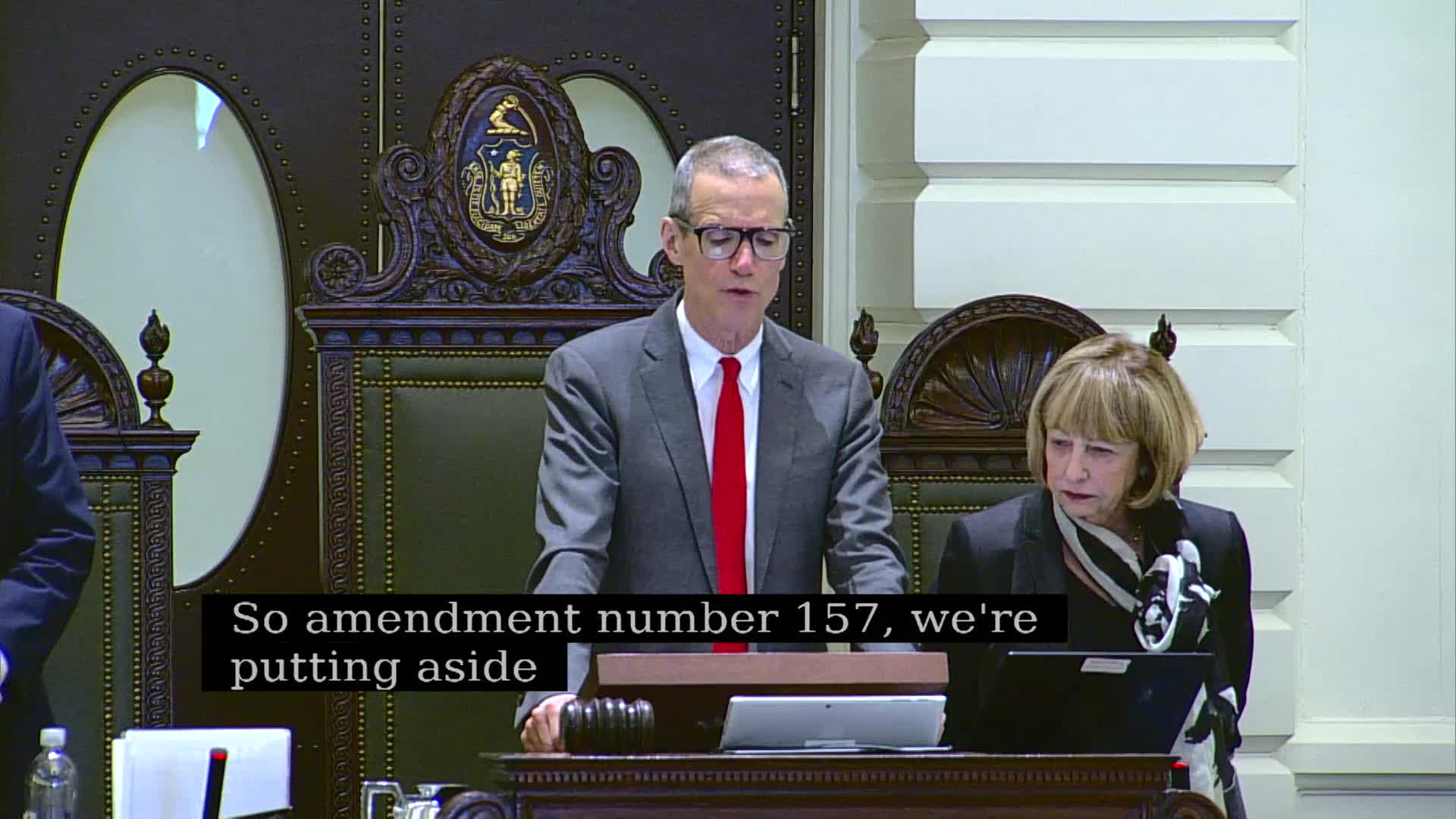
Senate leadership moved the amendment to a vote after floor discussion. The chamber voted in favor and the amendment was adopted.
The measure does not prohibit a tenant from hiring a broker on their own behalf; it instead prevents routine fee shifting to tenants when the broker was engaged by or for the landlord. The sponsor and supporters described the change as an immediate, low‑cost policy to put money back in renters’ pockets while longer‑term housing production and affordability measures remain works in progress.
Senator Edwards asked that her remarks be printed in the journal following adoption. The amendment is now part of the Senate’s budget vehicle.