Kirkland planners begin state-mandated update to critical areas code, focus on wetlands and stream buffers
Loading...
Summary
City staff briefed the Planning Commission on required updates to Kirkland—s critical areas ordinance, outlining permit processes, proposed clarity edits, outreach plans and options for buffer reductions tied to restoration work.
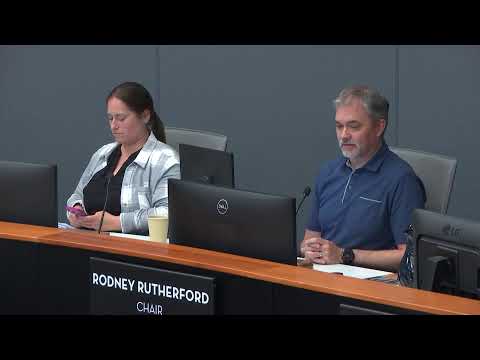
City staff gave the Kirkland Planning Commission an initial briefing May 22 on a state-required update to the city—s critical areas ordinance, focusing on wetlands, streams and related permitting rules. The presentation covered why the update is required, proposed changes to wetland buffer language, peer-review practices for geologic and stream-related reports, and an outreach schedule leading to a Dec. 31 statutory deadline.
The session matters because the ordinance implements state requirements to use the best available science and to protect functions provided by wetlands, floodplains, streams and geologic hazard areas. Anna Heckman, environmental program coordinator for the City of Kirkland, told commissioners the update will also reflect the city—s local values and must integrate with the city—s comprehensive plan.
Staff outlined what they called a two-track approach: regulatory code edits and non-regulatory actions such as education and restoration. "This is another state requirement. So this is our periodic update of the critical area ordinance," Heckman said. Jen Ander, senior planner, walked commissioners through the typical permit workflows for the two main chapters: chapter 85 (geologically hazardous areas) and chapter 90 (streams, wetlands and other habitat areas). Ander described a multistep development review that commonly requires peer review, delineation and, when applicable, long-term monitoring of restoration work.
Key proposals and clarifications discussed
- Peer review and thresholds: For geologic hazard reviews (chapter 85) staff noted applicants now must fund peer reviews by one of four city geotechnical consultants; staff want to evaluate thresholds so very small projects might not require a full peer review. For chapter 90 work (wetlands/streams), staff said one city consultant currently performs peer reviews and that the review requirement applies at multiple permit phases. Ander said the commission should consider whether all projects should continue to require full peer review or whether a tiered approach is appropriate.
- Recording documents and notice: Staff identified common recorded documents tied to geologic hazards and critical areas reviews: protective easements, liability/hold-harmless forms and a recorded notice of geologic hazards to inform future buyers.
- Wetland buffer language and restoration: Staff proposed clarifying existing buffer tables and renaming the commonly used reduced-width table to improve public understanding. Heckman described the city—s longstanding policy that favors quality over quantity and said Kirkland currently allows a buffer reduction of up to 25 percent when applicants perform required restoration or other improvements; if applicants do not do those improvements, the regulated buffer is larger (the code currently describes that relationship in a way staff say is confusing). "We are allowed to impact the buffer if we do restoration work," Heckman said, summarizing the city—s approach to reduced buffers tied to compensatory planting and monitoring.
- Monitoring and maintenance: Ander said required monitoring periods for restoration can range from about three to ten years depending on scope and that monitoring and maintenance obligations are typically documented and peer-reviewed.
- Best available science and species protections: Staff said they will review maps and guidance from the Department of Ecology and state agencies for updates affecting anadromous fish (salmon) and other habitat priorities. Heckman reminded commissioners that protections for Chinook salmon are a primary state regulatory driver in the region.
Outreach and schedule
Staff described a public outreach plan that includes a permanent web page, targeted meetings with tribes and permit stakeholders, and coordination with neighboring jurisdictions. Jen Ander said staff have already engaged state agencies (Department of Commerce, Department of Ecology, Washington Department of Fish and Wildlife and DNR) and will reach out to local building and development stakeholders when substantive draft language is ready for review. The consultants and staff plan additional study sessions with the commission through June and July and aim to meet the state deadline of Dec. 31 for completing required updates.
Questions and concerns from commissioners
Commissioners pressed staff for more detail on cost impacts of mitigation and restoration. Commissioner Scott Reiser noted that restoration can be expensive and asked staff to provide cost estimates for typical restoration and mitigation work; Heckman agreed to gather examples. Commissioner Aaron Jacobson asked about how cumulative development allowances (for example, floor-area or lot-coverage calculations applied at a parent-lot level) translate into implementation; Ander said that many site-level decisions rely on consultant delineations and habitat scoring and suggested the commission may benefit from seeing an actual consultant report and its effects on a development proposal in a future session.
Staff noted several items they intend to bring back: more detail on stream/fish-habitat provisions tied to recent science, a proposed code amendment package for chapter 85 clarifications (geologic hazards), and refinement of permitting and peer-review procedures to reduce unnecessary delays.
Ending
Commissioners generally praised the clarity-focused edits and the outreach plan; several suggested a field visit to view local wetlands, streams and restoration projects. Staff said they would return with targeted chapter updates and examples of consultant reports and mitigation plans for future study sessions.
Speakers quoted in this article are listed in the attribution whitelist below. No formal action or vote occurred on the ordinance update at this meeting; the session was a staff briefing and discussion.