Get Full Government Meeting Transcripts, Videos, & Alerts Forever!
Get email alerts on the Property Taxation topic
No spam. Unsubscribe anytime.
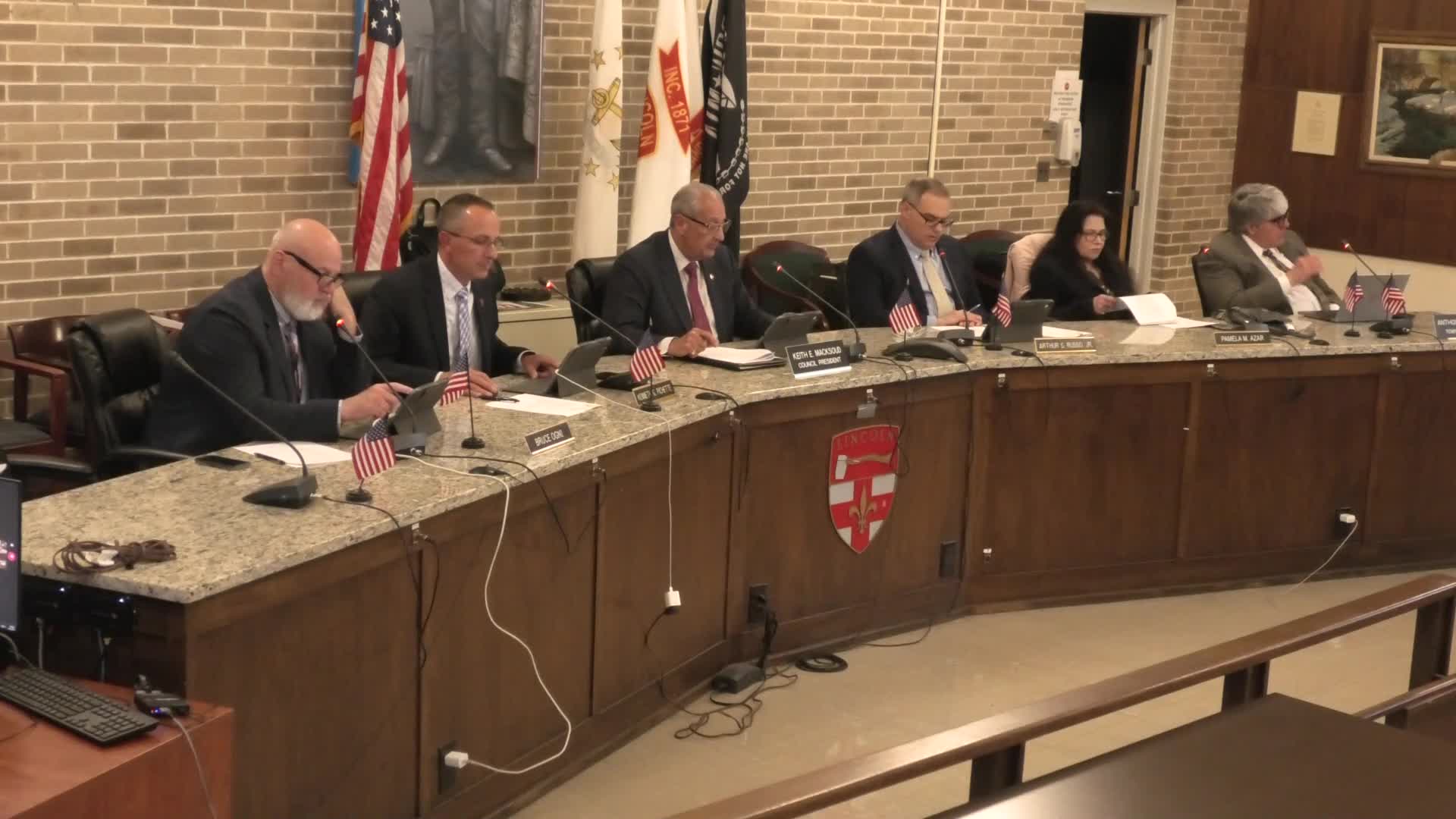
Lincoln council debates proposed statewide tax on non-owner-occupied residential properties
Summary
Councilors reviewed language in a recently circulated House bill that would allow a new tax on non-owner-occupied residential property beginning July 1, 2025, and took a formal step to notify state legislators of local concerns.
Lincoln — Councilors discussed and recorded concerns about proposed state legislation that would create a new tax on non-owner-occupied residential property beginning July 1, 2025, and voted to send those concerns to their state delegation.
The council reviewed text presented during the meeting that said a state tax administrator — rather than local assessors — would be empowered to impose a “non owner occupied” tax in addition to other taxes, commencing July 1, 2025. The draft legislation described tiered rates tied to assessed values beginning at an $800,000 threshold.
Why it matters: council members said the bill could shift local fiscal authority and raise costs for renters by increasing the tax burden on rental properties. Several members said the change could allow state officials to collect taxes that local governments currently administer.
Details cited at the meeting included language identifying the proposal as House Bill 61189 and listing Representative Ajello and other legislators as sponsors. The text shown to the council included a provision giving a tax administrator authority to assess a non-owner-occupied residential property tax beginning 07/01/2025 and described rate tiers tied to assessed value ranges beginning at $800,000.
Council members and staff asked for clarification about whether the measure would apply statewide or create an option for towns to adopt a separate classification. The town solicitor briefed the council on distinctions between local property-tax authority and state enabling statutes; councilors urged coworkers to contact the town’s legislative delegation for more detail.
Formal action: the council accepted a communication from Councilor Russo about the topic and instructed the administrator to contact the delegation and report back. The council did not adopt a local policy opposing the bill during the meeting, but members said they would monitor and brief the delegation.
Next steps: councilors asked staff to follow up with the town’s state delegation and to seek clearer text and answers about revenue flow and enforcement. The meeting record shows the town will continue tracking the bill in the General Assembly and relay local concerns to legislators.