Get Full Government Meeting Transcripts, Videos, & Alerts Forever!
Get email alerts on the Finance ARPA Fairgrounds topic
No spam. Unsubscribe anytime.
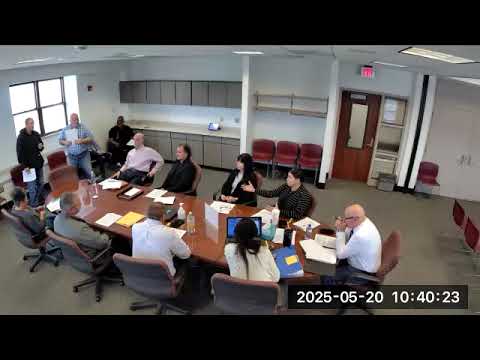
Commissioners question use of ARPA funds after utility poles arrived before approval at county fairgrounds
Summary
Commissioners debated whether ARPA funds from the under‑budget 4‑H building can be used to pay for 11 utility poles and public‑address coverage across the fairgrounds after poles were reported delivered before formal county approval; the purchase order request was pulled for investigation.
County staff brought an agenda item asking the Board of Commissioners to authorize payment to CLR for purchase and installation of 11 utility poles to expand a public‑address system across the county fairgrounds; the cost on paperwork was $11,009.50.
The request ties to residual ARPA funds from the 4‑H building project. Staff said the 4‑H low bid came in under budget, leaving roughly $850,000 available in a memorandum of understanding (MOU) that documents permitted additional uses, including sound systems and other fairground improvements. "ARPA monies and small projects ARPA money ... our small projects threshold is 250,000," a staff member said while explaining federal thresholds for procurement.
Commissioners and others objected because, several attendees said, materials appeared to have been delivered to the fairgrounds before the county approved a purchase order. One commissioner said "somebody's putting the cart before the horse." Questions focused on who ordered the poles, whether the fair board or county staff purchased materials, and whether procurement rules and federal ARPA requirements had been followed.
County staff said the fair board had identified the poles and that one vendor's scope read as "price to purchase, unload upon delivery, and install." The county controller and commissioners requested the item be pulled and investigated; one commissioner instructed staff, "Take it off." An engineering or purchasing review and contact with the fair board were requested to determine whether the poles were donated, purchased by the fair board, or ordered without proper county authorization.
Ending
The board did not approve the CLR invoice or installation order. Commissioners directed staff to investigate how materials arrived on site and to return with documentation of procurement actions, MOU language governing use of 4‑H project residuals, and whether any purchase orders were issued before delivery.