Get Full Government Meeting Transcripts, Videos, & Alerts Forever!
Get email alerts on the Aquatic Invasive Species topic
No spam. Unsubscribe anytime.
Walworth County updates aquatic invasive species outreach after eDNA detects New Zealand mud snail DNA upstream on Turtle Creek
Summary
At its May 19 meeting the Walworth County Land Conservation Committee received updates on aquatic invasive species outreach, volunteer trainings and 2024 environmental DNA sampling that detected New Zealand mud snail genetic material upstream on Turtle Creek; staff and DNR plan follow-up monitoring and continued outreach.
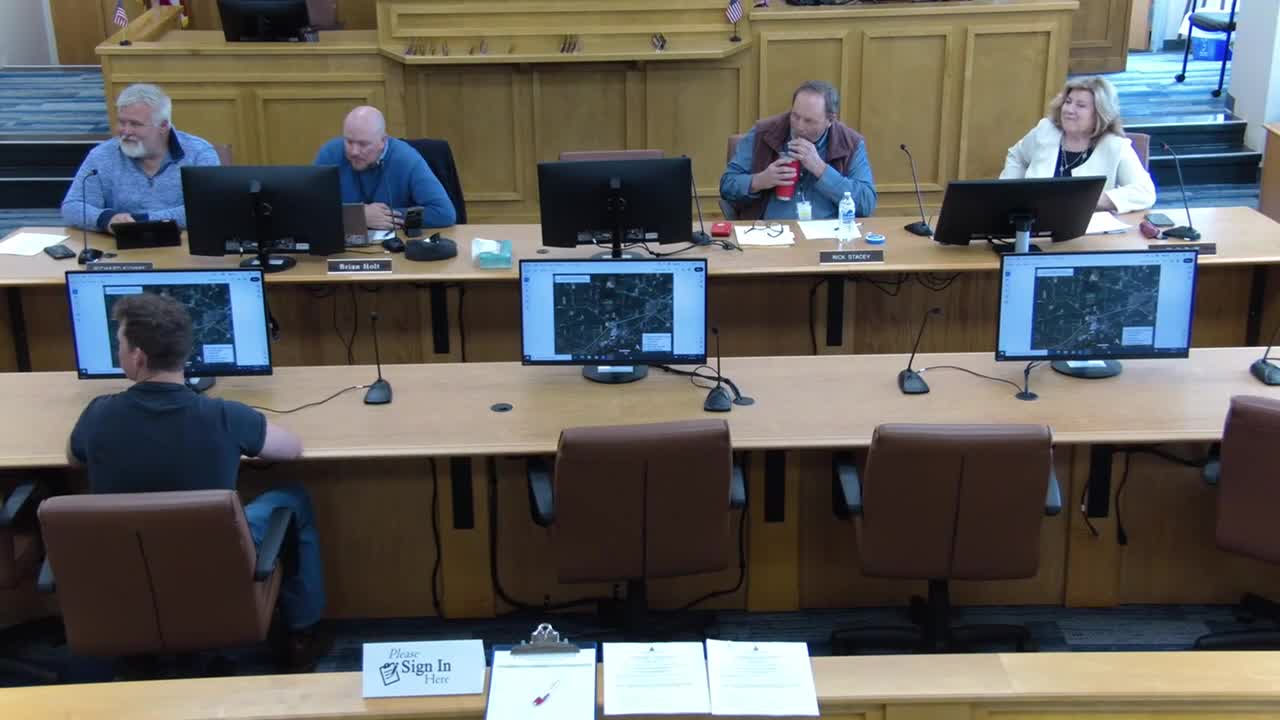
Walworth County Land Conservation Committee members on May 19 heard county staff and a new intern describe this year’s aquatic invasive species (AIS) outreach and monitoring, including 2024 environmental DNA (eDNA) testing that detected New Zealand mud snail genetic material upstream on Turtle Creek.
The update, delivered to the committee during its regular meeting, covered volunteer training events such as Clean Boats Clean Waters sessions, a statewide “snapshot day” of volunteer monitoring (the county’s third year), a state-aligned “drain campaign” planned for the first week in June, and results from a 2024 eDNA sampling effort led in partnership with the Department of Natural Resources (DNR). "This sampling technique ... is a means of collecting DNA from, in this case, water ... to identify the presence of a species in an area without directly observing it," an LRM staff member said during the meeting.
Why it matters: New Zealand mud snails are tiny and spread easily on boots and boat gear; the species is difficult to eradicate with common treatments. County staff said eDNA offers a way to delineate where the species’ genetic material is present so outreach and prevention efforts can be targeted.
The committee was introduced to Brady Sailing, a UW–Whitewater environmental science student who started this season as the county’s water quality specialist intern and will help lead trainings and volunteer events. County staff described a recent Clean Boats Clean Waters training that included a Walworth County warden and the Southeast Region AIS biologist from DNR, and said the county will offer additional trainings—including virtual sessions—to support lake districts and volunteer inspectors.
On monitoring, staff summarized a 2024 eDNA survey on Turtle Creek. Water samples were collected at two locations; eDNA was detected in water sampled near one site upstream of previously confirmed physical detections. Staff said physical monitoring crews had not yet observed live snails at that upstream location but that the eDNA results indicate genetic material is moving upstream from sites already known to be positive. "It's likely their physical presence will be found at those locations," the LRM staff member said, noting the technique is still evolving and that further sampling is appropriate.
County staff described existing prevention measures where snails have been physically observed, including boot-cleaning stations and signage at County Trunk Highway C and School Section Road bridge crossings. The staff member said DNR recommended another round of sampling near a wastewater treatment plant location to confirm the extent of detection and that additional eDNA sampling may occur in 2025.
Committee members asked about modern boat ballast and live-well systems and how training addresses those challenges. The LRM staff member said DNR wardens and the regional AIS biologist advised that “do your best effort” cleaning guidance is the practical approach because some compartments cannot be fully drained, and that small, repeated efforts by many people reduce risk overall.
There was no formal committee action or vote on the AIS items; staff will continue outreach, trainings and coordinate additional sampling with DNR. The committee’s next regular meeting is scheduled for 1 p.m. on its next listed date.