Get Full Government Meeting Transcripts, Videos, & Alerts Forever!
Get email alerts on the Medical Examiner topic
No spam. Unsubscribe anytime.
Walworth County medical examiner highlights internship program, in‑house autopsies and asks board to weigh cremation-fee policy
Summary
Walworth County’s medical examiner presented the office’s 2024 annual report to the County Board Executive Committee, detailing expanded internship and shadowing programs, in‑house autopsy services led by Dr. Brian Peterson, participation in disaster‑mortuary training and a continued debate over a $258 cremation permit fee.
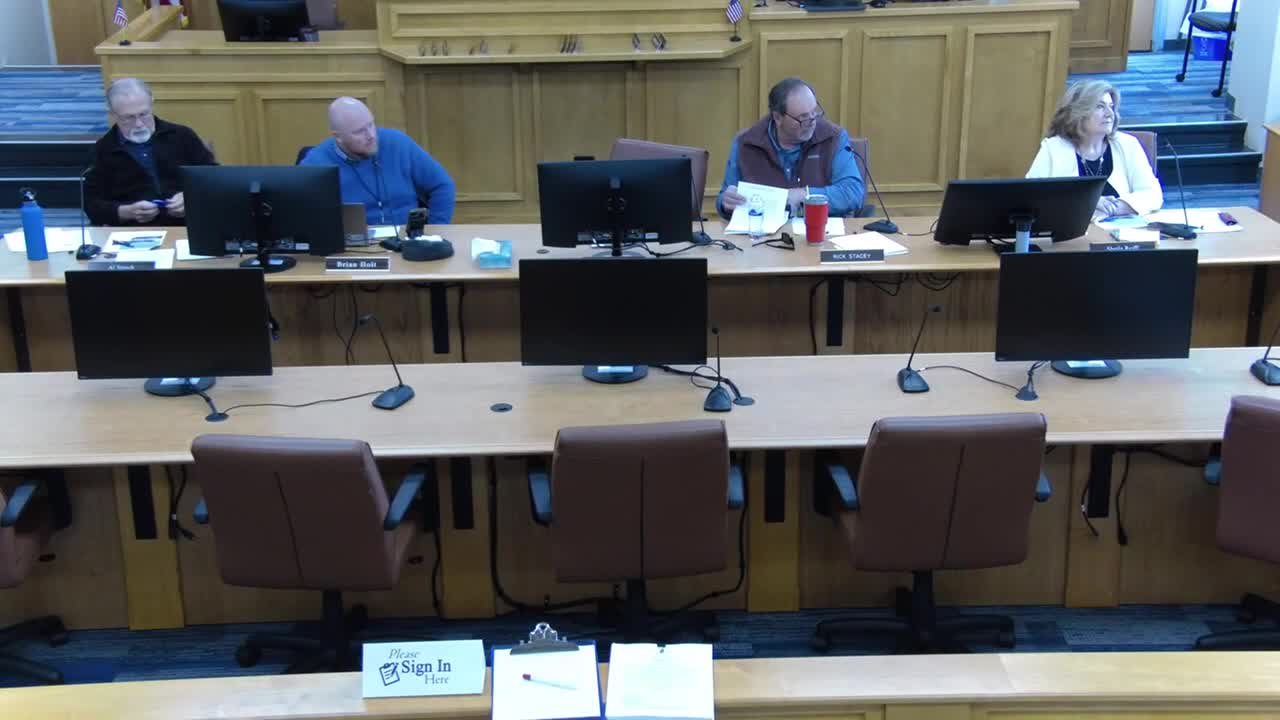
The Walworth County medical examiner presented the office’s 2024 annual report at the County Board Executive Committee meeting on May 19, outlining expanded training partnerships and in‑house pathology services that the office says have shortened case turnaround times.
The report said the office has hosted an internship program with the University of Wisconsin–Whitewater for several years, expanded a forensic autopsy shadowing program for local medical professionals and co‑hosted the Disaster Mortuary Operational Response Team annual training in Lake Geneva. “Now that we have doctor Brian Peterson as our forensic pathologist, [interns] also have the opportunity to see forensic autopsies,” the medical examiner said during the presentation.
Why it matters: County staff said these changes aim to speed death investigations, support local partners (EMS, hospitals, law enforcement) and build regional capacity for forensic pathology. The committee received the report as information; no formal acceptance vote was required.
The committee discussed the office’s practice of charging a $258 cremation permit, which the report describes as the only fee the office levies on county residents. Supervisor Sheila Reif asked whether that fee could be lowered to help families who lack resources. The medical examiner explained the fee covers pre‑cremation external examinations, record reviews and transport costs and said similar offices charge multiple fees; the office charges only the single cremation‑permit fee. The office also noted that referral work for other counties is billed separately (the report lists a $1,700 forensic‑autopsy referral fee and additional pass‑through costs for toxicology, histology, X‑rays when applicable).
On cause trends, the medical examiner told the committee that several categories of drug‑related deaths are down and attributed part of that change to wider availability of naloxone. “Personally, I think that the invention of Narcan has been really, really helpful,” the medical examiner said, noting nonfatal drug‑intoxication cases have also fallen.
Dr. Brian Peterson, the county’s forensic pathologist, described the office as a regional resource, saying Walworth County now performs autopsies for neighboring counties and has become a significant tissue‑bank contributor in the state. “We’re kind of a rare resource,” Dr. Peterson said, and he thanked the board for support that allowed the office to expand services.
Committee members asked clarifying questions about case definitions (for example, how long‑term consequences of old injuries are classified as homicides when they lead to later deaths) and revenue comparisons with other counties. The medical examiner explained that state statute requires certain reviews before cremation and that the office compares fees to peer counties when recommending adjustments.
The presentation also described outreach efforts — newsletters, ride‑alongs, targeted job‑shadowing at the high‑school and university level — intended to widen career awareness beyond traditional law enforcement roles.
The committee did not take formal action on the annual report and instead moved on to other agenda items; staff said any future fee changes would be considered during the budget process.
Ending: Committee members thanked the medical examiner and Dr. Peterson for the report and directed no immediate action; fee adjustments, if proposed, would be considered in the normal budget and fee‑setting timeline.