Get Full Government Meeting Transcripts, Videos, & Alerts Forever!
Get email alerts on the Community Survey topic
No spam. Unsubscribe anytime.
Broomfield survey shows split public view on direction; residents praise parks and cite cost‑of‑living concerns
Summary
City staff on Tuesday presented the results of the City and County of Broomfield’s 2025 community survey, saying the third such survey shows residents divided on whether the city is moving in the right direction and pointing to cost‑of‑living and housing as top near‑term priorities.
City staff on Tuesday presented the results of the City and County of Broomfield’s 2025 community survey, saying the third such survey shows residents divided on whether the city is moving in the right direction and pointing to cost‑of‑living and housing as top near‑term priorities.
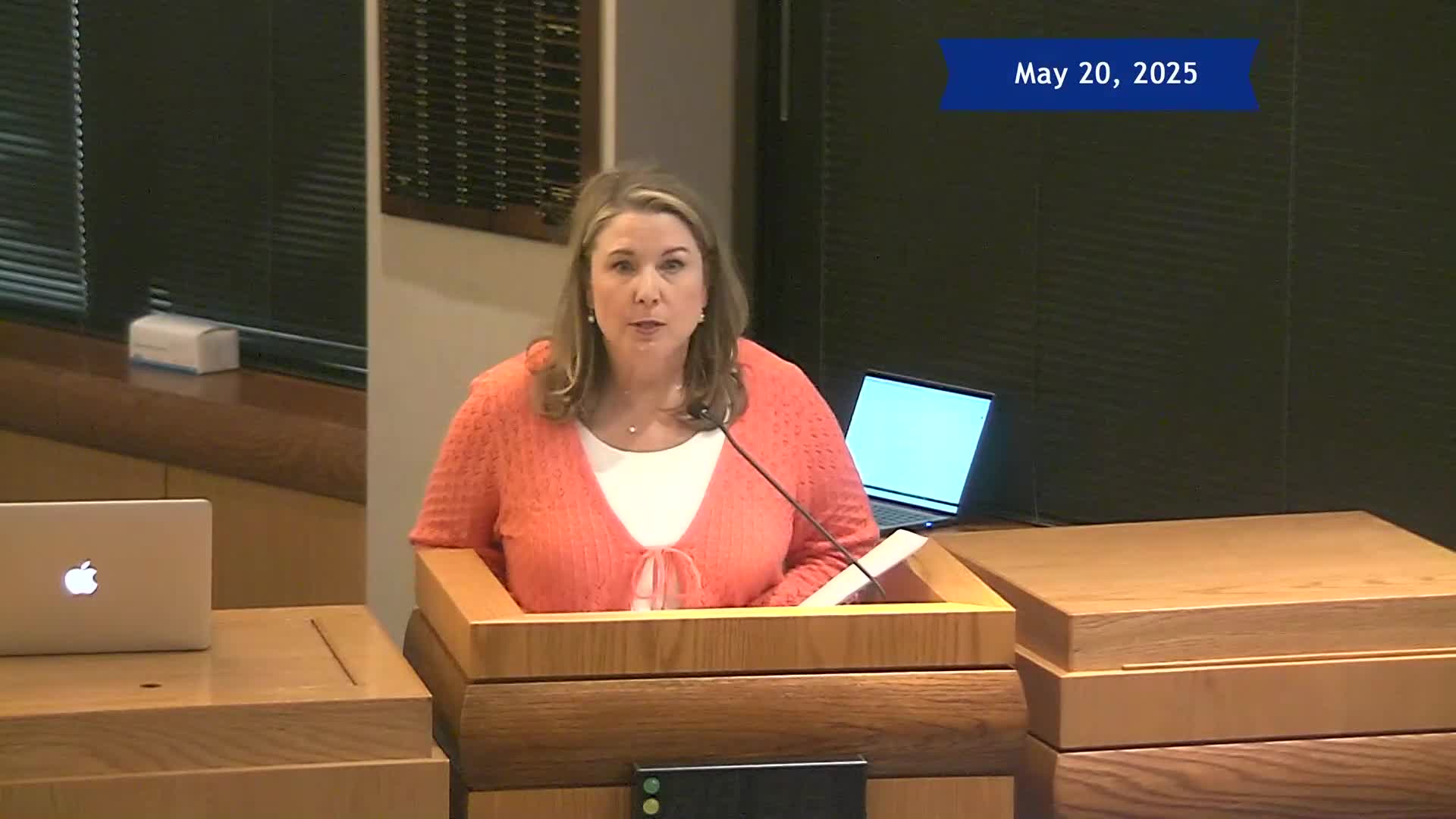
Courtney Sievers of Magellan Strategies, the firm that conducted the survey, told the City Council the firm completed interviews with 2,908 residents and that invitations were sent by text to about 44,628 adults, representing roughly 71% of Broomfield’s adult population. Sievers said the survey’s margin of error is 1.77 percentage points at the 95% confidence level and that data were weighted to reflect the city’s adult demographic profile.
Why it matters: The survey is used for council and staff planning and communications. The results help identify where residents want the city to focus budget and outreach in the next two to three years, staff said.
The survey asked whether things in Broomfield are heading in the right direction. “Thirty‑six percent of residents said ‘right direction,’ 29% said ‘wrong track,’ and 35% were unsure,” Sievers said, adding that the proportions vary by length of residence and ward. Respondents who said the city is heading in the right direction most frequently credited parks, libraries, trails and responsiveness of city services; those who said the city is on the wrong track cited rising utility and trash hauling costs, growth and perceived lack of public input.
Sievers and staff highlighted several cross‑cutting findings: high ratings for neighborhood livability and quality of life (above 80% “excellent” or “good” on several items), strong satisfaction with drinking water and recreational amenities, and concern about affordability. On an open‑ended question about what the city should focus on in the next two to three years, the top responses were cost of living and utility rates, affordable and accessible housing (especially for seniors and first‑time buyers), progress on the long‑planned Town Square downtown development, infrastructure and traffic, and government transparency.
Julie Story, the city’s director of communications and engagement, said the 35% of respondents who answered “unsure” on the direction question represent an opportunity to better reach residents through events, parks and the city website. “Where residents get their information is largely word‑of‑mouth and the official website,” she said.
Council members asked about comparisons with other communities and historical trends. Council member Cohen asked whether Magellan can provide cross‑community comparisons; Sievers said Magellan will present comparative data for prior Broomfield surveys and regional peers as those communities finish surveys and release results later in 2025.
Key survey details and next steps: - Sample: 2,908 completed interviews; invitations sent by text to roughly 44,628 residents. 772 requested a link via the online form and 369 of those completed the survey. The Spanish‑language version received five responses. - Margin of error: 1.77% at the 95% confidence level for the full sample; subgroup margins are larger. - Prominent takeaways: strong satisfaction with basic services and parks; affordability and utility rates are primary resident concerns; community events and parks are the top reasons residents feel connected to Broomfield.
City staff said they will use the results to refine outreach and expected to return with comparative benchmarks when surrounding jurisdictions complete their surveys later in 2025.