Get Full Government Meeting Transcripts, Videos, & Alerts Forever!
Get email alerts on the Foreign Aid Reform topic
No spam. Unsubscribe anytime.
Senate hearing focuses on State Department reorganization and overhaul of U.S. foreign aid
Summary
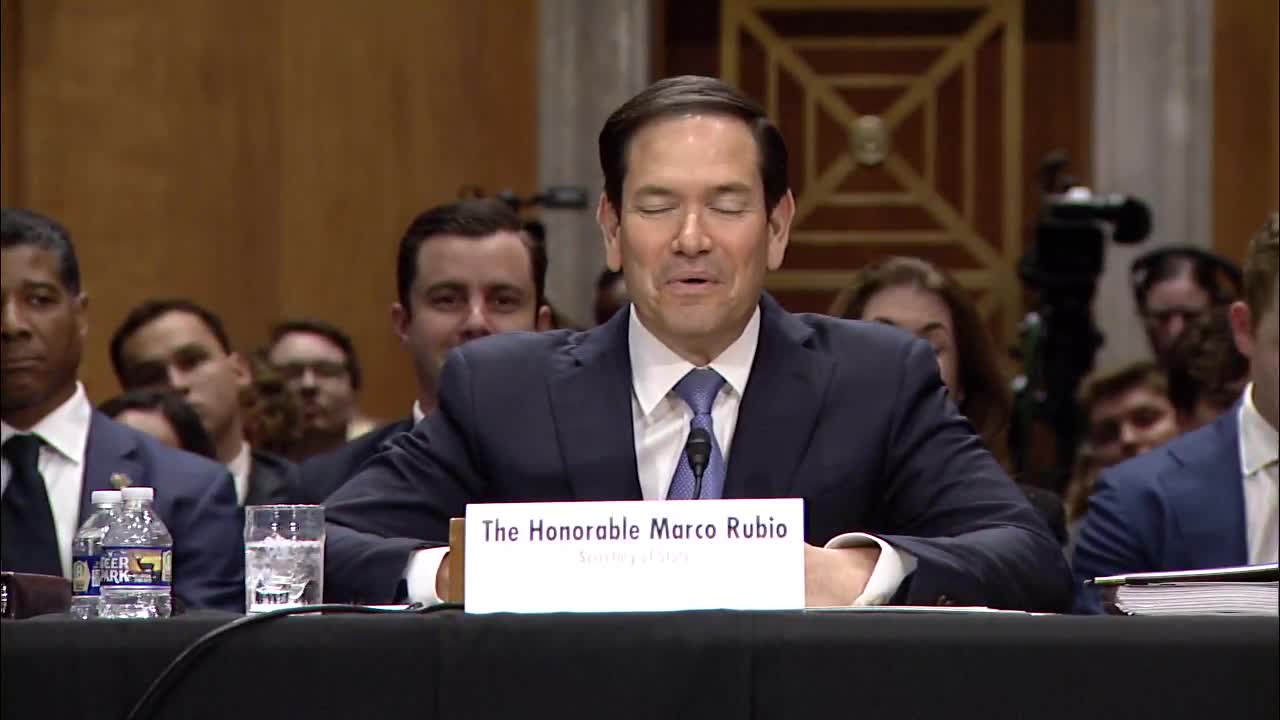
Secretary Rubio told the Senate Foreign Relations Committee the administration plans to fold many foreign-aid and functional units into regional bureaus and embassies, saying the goal is faster, more locally driven diplomacy. Lawmakers from both parties pressed him over cuts to USAID programs, PEPFAR operations and notification to Congress.
Secretary Rubio told the Senate Foreign Relations Committee on Thursday that the Biden administration’s proposed reorganization will move many functional bureaus and foreign-assistance decisions to regional bureaus and U.S. embassies.
Rubio said the goal is “to drive power and action … to the regional bureaus and to our embassies,” and that the reorganization will be refined after a comment period and followed by a formal congressional notification. “We have taken input and are taking input now through the notice process, and then we’ll come back to you with a formal congressional notification,” he said.
The reorganization proposal and related changes to USAID funding prompted sustained questioning from senators of both parties, who said the way the review has been carried out caused interruptions to programs and damage to U.S. credibility abroad. Senator Murphy said the committee should not accept a widely circulated figure Rubio cited, that “12 cents of every dollar” reaches recipients. “That is not actually an accurate number,” Murphy said, adding that much U.S. assistance flows through multilateral organizations and large international NGOs.
Rubio defended some program changes while insisting that the U.S. will remain a top global donor. “Even with the reforms we put in place and what we’re suggesting as changes to our foreign aid, we still will provide more foreign aid, more humanitarian support than the next 10 countries combined,” he said. He also reported operational progress on a major HIV program, saying, “PEPFAR today stands at 85% of functionality.”
Several senators pressed Rubio for more complete briefings and faster answers to written questions about program suspensions, grant cancellations, and how life‑saving aid would continue to be delivered during the transition. Senator Schatz said the committee has submitted “200 unanswered questions” and urged the administration to restore routine consultation. Rubio said he believes the department has complied with legal requirements and pledged continued engagement.
The hearing included repeated calls from senators to preserve specific institutions and tools cited as strategic assets — such as the Millennium Challenge Corporation and the Development Finance Corporation — while rethinking how assistance is prioritized and delivered. Rubio said independent entities like the DFC and MCC are under review but that reforms aim to improve, not eliminate, their capabilities.
The session ended with an exchange over process and timing. Rubio said he expects to return to Congress with a final reorganization plan after the comment period is closed, while lawmakers pressed for greater immediacy on restoring programs and humanitarian flows.
Ending: Rubio and senators agreed to continue oversight and follow‑up briefings as the reorganization proceeds, and the committee signaled it will press for additional documents and answers before approving any final congressional notification.