County narrows pre‑employment verification, adds randomized checks; board approves policy change 4‑1
Loading...
Summary
Maricopa County changed its HR policy to make employment‑history verification optional while retaining criminal background checks; the board approved a 2% randomized audit of employment verifications and staff said criminal checks remain mandatory.
The Maricopa County Board of Supervisors approved a change to the county’s pre‑employment background policy that makes employer‑history verification optional while preserving mandatory criminal‑record checks. The measure passed on a 4‑1 vote.
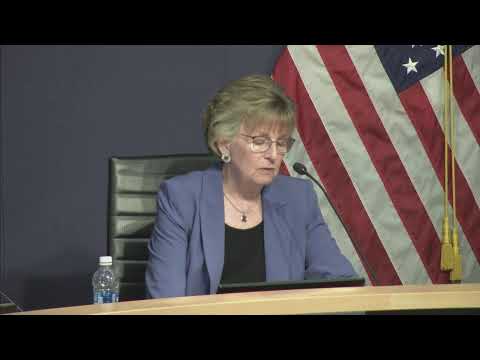
Human Resources Director Emily Parrish told the board the proposal removes a routine, full employment‑history verification for every hire and instead makes that verification optional at departments’ request. Parrish said the county will retain the criminal component of background checks — including Social Security validation, state and federal criminal checks and sex‑offender registry checks — for all candidates. "This does not touch the criminal component of the background check," Parrish said.
Staff said the policy change responds to rising costs and operational bottlenecks in verifying employment for a high volume of applicants, and that a small number of false claims had been found under the prior practice. To address accuracy and deterrence concerns, the HR office proposed and the board adopted a requirement to perform a randomized audit of at least 2 percent of hires: HR will randomly verify the employment history on about one in 50 hires to confirm accuracy.
Supervisors questioned operational details and equity. Supervisor Gallardo and others pressed for clarity on implementation and whether the random audit would be applied fairly across job‑levels; Parrish said the central HR office will manage the checks for all departments and the 2% threshold will be implemented by sampling approximately every 50th hire from the prior year baseline. "We will be doing that about 40 checks," Parrish said, referencing the roughly 2,000 hires in the prior year that form the randomization baseline.
Supporters of the change said the random audit and retained criminal checks balance hiring speed and public safety; critics said the move could reduce verification for entry‑level hires and urged close monitoring to prevent fraud. The measure passed 4‑1. The board directed HR to operationalize the randomized audit and consult with the county attorney’s office about privacy and compliance details.
Why it matters: The county’s change shifts some verification cost and burden away from routine checks of employment history while keeping criminal and identity checks mandatory. The randomized audit is intended to deter falsified resumes while allowing faster onboarding for large hiring volumes.