Get Full Government Meeting Transcripts, Videos, & Alerts Forever!
Get email alerts on the Short Term Rentals topic
No spam. Unsubscribe anytime.
Planning Board vets short‑term rental fee memo ahead of select‑board hearing; grandfathering and ADA compliance raised
Summary
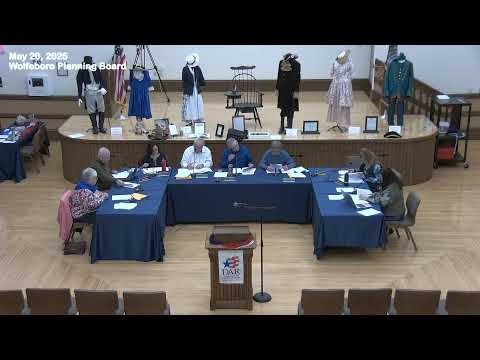
The Wolfeboro Planning Board reviewed a memorandum about proposed fees for conditional‑use permits required for short‑term rentals and discussed concerns and clarifications ahead of a June 4 select‑board public hearing.
The Wolfeboro Planning Board reviewed a memorandum about proposed fees for conditional‑use permits required for short‑term rentals and discussed concerns and clarifications ahead of a June 4 select‑board public hearing.
Planning staff presented the April 30 memo and noted comments submitted by Audrey Klein were included in the packet. The board discussed how the ordinance treats pre‑existing, legally operating short‑term rentals and what documentation should be required to prove grandfathering. A Planning Board member said pre‑existing rentals that can demonstrate prior lawful use should be grandfathered; one example of acceptable evidence discussed was a current New Hampshire meals‑and‑rooms tax identification number, although the board noted meals‑and‑rooms registration is a state tax requirement and not a zoning permit in itself.
“Someone is grandfathered from the application from this ordinance if you can demonstrate by any reasonable method that you have been a short‑term rental prior to the date” specified by the town, a board member said during discussion of grandfathering and inspections. The draft ordinance requires inspection by Wolfeboro Fire & Rescue and the code enforcement officer before a permit is issued and a reinspection after two years; staff said the inspection language was intentionally phrased to allow inspectors to act on other code violations they find during an inspection.
Board members and staff flagged two points for follow up: whether failing to hold a meals‑and‑rooms registration should disqualify otherwise well‑documented pre‑existing rentals from grandfathering; and whether the proposed inspection and reinspection schedule conflicts with state building‑code timelines. Planning staff said they would seek legal guidance and confirmed that the code enforcement and fire officials intended inspections primarily for safety issues rather than enforcing tax compliance.
Board members also noted public comments about ADA compliance and asked staff to be ready to answer questions at the select‑board hearing. The board was not asked to set fees at the May 20 meeting; the public hearing to adopt a fee schedule was scheduled for June 4.
Context and next steps: The Planning Board asked staff to prepare clarifying language and, if necessary, legal opinions on how meals‑and‑rooms registration interacts with grandfathering, and to confirm whether inspection timing would conflict with state building‑permit review periods. The Planning Board will forward the record and any edits or recommendations to the Board of Selectmen for the June 4 public hearing on fees.