Get Full Government Meeting Transcripts, Videos, & Alerts Forever!
Get email alerts on the Economic Development topic
No spam. Unsubscribe anytime.
Rutland aldermen approve filing for downtown hotel TIF financing and development agreement
Summary
Rutland aldermen voted to approve a development agreement and a Phase 1 Tax Increment Financing (TIF) filing to submit to the Vermont Economic Progress Council for the proposed downtown hotel and infrastructure project, advancing the plan toward a possible voter bond in fall 2025 and construction in 2026–2027.
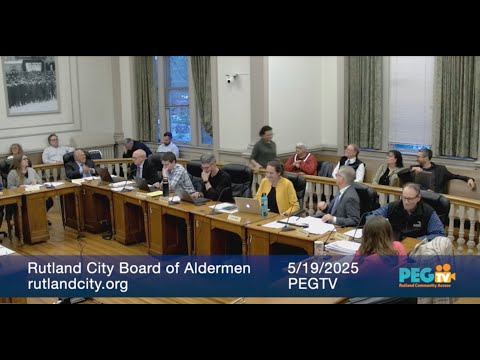
Rutland City aldermen voted on May 19 to approve a development agreement and a Phase 1 TIF filing to be submitted to the Vermont Economic Progress Council as part of a public–private plan to build a downtown hotel and related infrastructure.
The vote follows a public hearing and a Community and Economic Development Committee recommendation. Stephanie Clark, a consultant with White and Burke Real Estate Advisors, told the board the filing is “our official ask of the board to approve the first phase filing that's going to go in to the state for the TIF component of the hotel infrastructure.”
The approved packet includes a development agreement negotiated between the city and the developer, a financial workbook for the Phase 1 TIF filing, and authorization for the mayor and board president to sign a VEPC cover letter. The Community and Economic Development Committee considered the package at a May 12 meeting and recommended approval to the full board; the committee vote was unanimous.
According to documents presented and summarized during the meeting, the infrastructure scope is focused on water and wastewater upgrades with a current estimated cost of $7,800,000. The financing plan shown to the board allocates $3,100,000 to TIF-supported debt; remaining sources were described as roughly $4.7 million from other grants or funding, and a proposed voter-authorized bond with a $3.9 million statutory limit and a target of $3.8 million to cover financing costs. Clark said the city would not incur this debt until later in the year and that short-term borrowing could be used if needed as cash flows are finalized.
Developer Kent Melvin, speaking for the project team, described the development as a mixed-use building with “a 99 room hotel, 26 market rate apartments on top, [and] bar [and] restaurant.” He said remediation of soils and related site work could begin later in 2025, with remediation work potentially running through November, and that the team hopes to open the hotel in the fall of 2027.
The development agreement includes a tax-stabilization provision tied to an assumed minimum post-development taxable value of $15,000,000 for the hotel parcel. Committee minutes read into the record state the city would fix the municipal valuation of the parcel at $616,100 for a period of 10 years commencing two fiscal years after project commencement confirmation; that stabilization would affect municipal taxation and the downtown special benefit district tax but not state education taxes.
Next steps outlined at the hearing: staff will submit the Phase 1 filing to VEPC (the Vermont Economic Progress Council) for consideration at its July meeting, with possible further review in August; if VEPC approval and other funding align, the city would ask voters to approve the proposed TIF debt at a special election in the fall. Only after voter approval and final funding would city infrastructure construction and developer work proceed.
No formal board conditions beyond the approved documents were recorded at the meeting; the development agreement and Phase 1 materials were approved by motion after the committee recommendation and the board vote passed without a recorded roll-call tally in the meeting transcript.