Get Full Government Meeting Transcripts, Videos, & Alerts Forever!
Get email alerts on the Comp Plan topic
No spam. Unsubscribe anytime.
Pasco planning commission begins multi-year comprehensive-plan update; transportation, climate and energy studies to feed process
Summary
City staff told the Pasco Planning Commission the city has begun a periodic comprehensive plan update and three related studies — a transportation master plan, a regional climate and greenhouse-gas study, and an energy-resilience study — and outlined a schedule, early findings and next steps for public outreach.
The Pasco Planning Commission received a multi-project briefing on the city’s periodic comprehensive plan update and three related studies, city staff said, and was asked to expect sustained engagement over the next 18 months.
The briefing summarized the comprehensive plan kickoff and early work by consultants on transportation, regional climate planning and an electrical/energy-resilience study. City staff said the projects are separate contracts but will inform each other and the comprehensive-plan update.
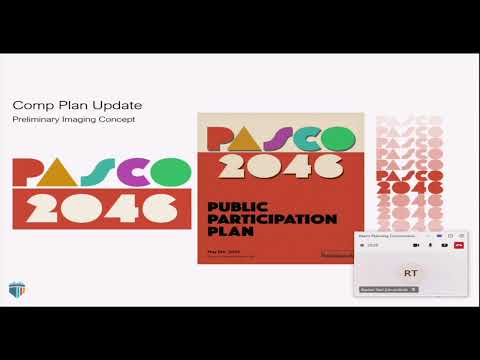
City staff said the city selected Framework (the consultant team that previously worked on the downtown master plan) through an RFP to lead the comprehensive-plan update. “We’re obviously in May 2025 just beginning to kick off the effort,” Craig, city staff, told the commission, and staff held an initial kickoff on May 9 and expect to hold a city-council kickoff on June 9. The staff presentation included a preliminary schedule that shows outreach and draft work continuing into late 2026.
Commissioners heard that several planning projects will feed the update: DKS Associates has been selected for the Transportation System Master Plan and is scheduling its kickoff; a regional climate-planning and greenhouse-gas emissions reduction project is under way with Pasco participating alongside Benton County, Richland, Kennewick and West Richland; and the city contracted ScottMadden for an energy-resilience and electrical study, which staff described as “a very fast moving project” slated for near-term completion.
Early findings shared with the commission highlighted how closely the studies intersect with growth and infrastructure decisions. Staff cited historical population-projection comparisons from the 2018 comp-plan process — “the 2020 projection for Pasco was 79,770 residents and we came in at actually 77,108,” Craig said — and recommended continuing a medium-range forecasting model for future projections. On greenhouse-gas sources, the presentation identified passenger vehicles (37 percent), industrial natural gas (16 percent) and freight vehicles (15 percent) as leading contributors in the region.
The regional climate audit reviewed local policy documents and found substantive material to analyze: consultants evaluated 13 core documents and 33 supporting documents and identified 224 distinct policies; those included 77 policies coded to climate resilience, 82 to greenhouse-gas reduction and 26 to climate equity. Staff said those policy inventories will be used to produce draft policy priorities and recommendations that may be incorporated into the comp plan.
On the energy-resilience study, staff said ScottMadden is in phase two of three, has completed initial data requests and interviews with stakeholders including the Port of Pasco and Franklin County Public Utility District, and plans stakeholder workshops and final graphics in the coming weeks.
Commissioners asked about staffing and stakeholder outreach. Commissioner Pat Jones asked whether the planning department has added personnel to handle the increased workload; staff answered they are relying on consultants and expect heavy engagement from the planning commission over the next 18 months rather than adding immediate staffing. Commissioners also asked whether the agricultural community was included; Craig said agriculture representatives are part of a technical-advisory group for the climate and energy work.
Staff emphasized the projects will require coordinated public outreach and cross-consultant collaboration even though each consultant works under a separate contract. The commission was invited to continue providing input and to expect consultant presentations and public workshops in upcoming months.
The commission did not take formal action on policy at the meeting; staff described the briefing as an informational update and asked commissioners to participate in outreach and review draft materials as they are released.
Next steps: a council kickoff is scheduled for June 9, consultants will hold public-engagement meetings and workshops, and staff will bring draft elements back to the planning commission as they are completed.