
EPA Keeps PFOA/PFOS MCLs, Announces PFAS Strategy; Senators Seek Timelines and Cost Clarity
Get AI-powered insights, summaries, and transcripts
Subscribe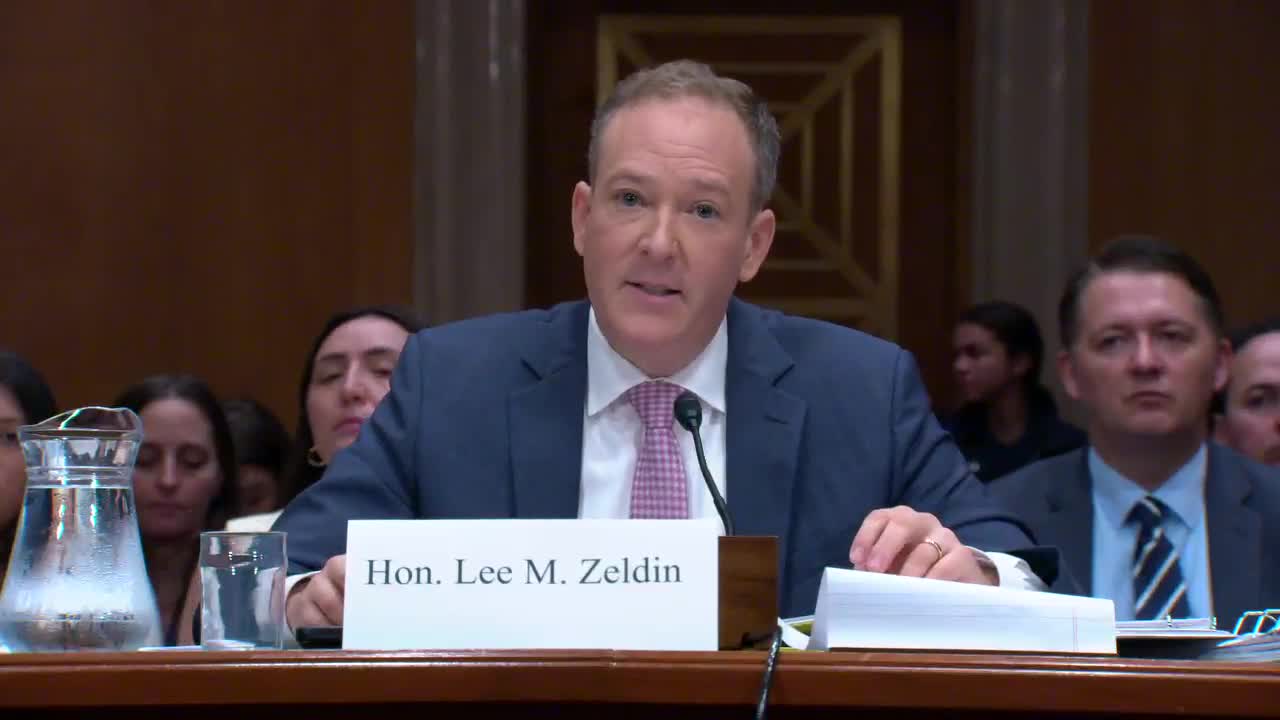
Summary
Administrator Zeldin described a multi-part PFAS strategy that retains the 4 parts-per-trillion MCL for PFOA and PFOS while advancing effluent limitation guidelines and other steps; senators pressed the agency for timelines, cost implications for water systems, and how innovations and treatment options will affect compliance costs.
The committee examined EPA’s approach to PFAS regulation and remediation, including the agency’s April announcements and the status of maximum contaminant levels (MCLs) and forthcoming regulation.
Administrator Lee Zeldin told senators the administration would retain the 4 parts-per-trillion MCL for PFOA and PFOS and pursue several actions outlined in the agency’s April announcement, including developing effluent limitation guidelines (ELGs) for PFAS manufacturers and metal finishers and evaluating additional ELGs to reduce PFAS discharges. “We are retaining the 4 parts per trillion MCL on PFOA and PFOS,” he said.
Why it matters: PFAS contamination is a major, nationwide drinking-water and environmental concern. The committee sought clarity about regulatory timelines and ways to reduce compliance costs for water systems.
Senators from affected states raised the challenge of compliance costs and the need for treatment innovation. Zeldin said EPA has fielded outreach from companies developing technologies that could lower treatment costs and that the agency expects innovation to reduce the expense of meeting MCLs over time.
He also said the agency corrected a procedural issue for several additional PFAS chemicals where the prior process combined a preliminary regulatory determination with a proposed rule, which he said created a litigation vulnerability. Zeldin emphasized that re-running steps required by the Safe Drinking Water Act does not mean final standards will be weaker: “At the end of the process, you might end up with a lower MCL,” he said, adding that the process could result in stronger or different conclusions depending on the record.
Senators asked how EPA would help utilities meet compliance deadlines and whether passive receivers or costs would shift to consumers. Zeldin said the agency shares concerns about making consumers pay for remediation of contamination they did not cause and pledged to work with states and utilities on compliance pathways and technology deployment.
Committee members also requested timelines for rulemakings, further details on ELGs, and follow-up on implementation support for small and rural water systems.