Get Full Government Meeting Transcripts, Videos, & Alerts Forever!
Get email alerts on the Curriculum Math topic
No spam. Unsubscribe anytime.
Revere presenters recommend Bridges curriculum for K–2 after yearlong pilot; board to review
Summary
Revere Local Schools staff recommended adopting the Bridges K–2 math program after a yearlong pilot at Richfield, citing increased student engagement and conceptual learning; teachers raised concerns about prep time and scheduling three daily math blocks.
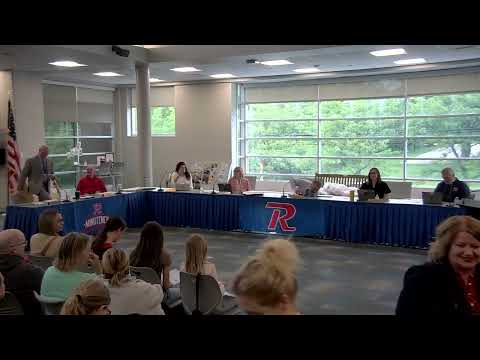
Revere Local Schools curriculum staff recommended the Bridges K–2 math program for adoption after a yearlong pilot at Richfield Elementary, presenting the proposal to the Revere Board of Education on May 20.
District leaders said the pilot began in the 2021–22 school year and culminated this school year, with teachers and a regional math coach supporting implementation and formative evaluation.
In a presentation to the board, Mrs. Roach, the district curriculum presenter, said the district narrowed K–2 options to Bridges and the current series, Envisions, and piloted Bridges after teacher and committee review. "Every person on the math committee voted do not recommend for Envision, every single one," she said, while describing the committee's preference for Bridges.
Teachers at Richfield described classroom-level effects during the pilot. A first-grade teacher said lessons are more interactive and hands-on than the previous series: "They're providing hands-on activities, engaging students from day one," she said. A Richfield teacher explained Bridges requires three daily instructional components — number corner, the main lesson block, and workplace activities — and confirmed, "It is three blocks every day." The staff also reported students participating more in math talk and showing less math anxiety.
Board members and audience members asked about teacher workload and scheduling. Presenters acknowledged that Bridges is labor intensive for teachers and requires material prep and schedule adjustments. The presenters said they surveyed the staff: 25 responses from about 35 elementary teachers produced a split of recommendation and recommendation-with-reservations (52% recommended, 48% recommended with reservations). The most frequent reservations were teacher prep time and the need for supplemental resources for grade-level standards.
Presenters described features staff valued: a stronger number-corner routine that introduces upcoming units, 41 workplace games per grade to practice concepts through play, kid-friendly assessments that reduce heavy reading demands on early readers, and intervention and enrichment modules (Bridges Intervention and Concept Quest). The district said intervention specialists and intensive-needs classrooms piloted the intervention kits.
No final adoption vote was taken at the May 20 meeting. Mrs. Roach told the board the recommendation will proceed through the district's adoption process and that materials and professional supports will be addressed if the board approves the adoption.
If adopted, district presenters said they expect the K–2 shift to require continuing work on intervention supports and ways to reduce recurring prep time (for example, purchasing more durable manipulatives). They also noted that Envisions will remain the grade 3–5 program through the current contract cycle and that any alignment for third grade would be considered during future adoptions.
District officials said they will circulate the full adoption materials and survey data to board members and make supplemental planning documents available for review prior to any vote.
Looking ahead, presenters asked the board to weigh the tradeoffs between conceptual instruction and the additional teacher preparation needed to sustain Bridges. The board held the item for further review; no action was recorded on May 20.