Get Full Government Meeting Transcripts, Videos, & Alerts Forever!
Get email alerts on the Sustainment Procurement topic
No spam. Unsubscribe anytime.
Senators press Air Force on right‑to‑repair, contracting transparency to lower sustainment costs
Summary
Senators and the new Air Force secretary discussed expanding right‑to‑repair authorities and giving contracting officers better price‑spike data after examples of costly sustainment purchases; the secretary expressed support and asked for more data to guide policy changes.
Senators pressed Air Force leaders on sustainment and contracting practices, urging a service‑wide right‑to‑repair policy and better contracting‑price transparency to curb excessive costs and improve readiness.
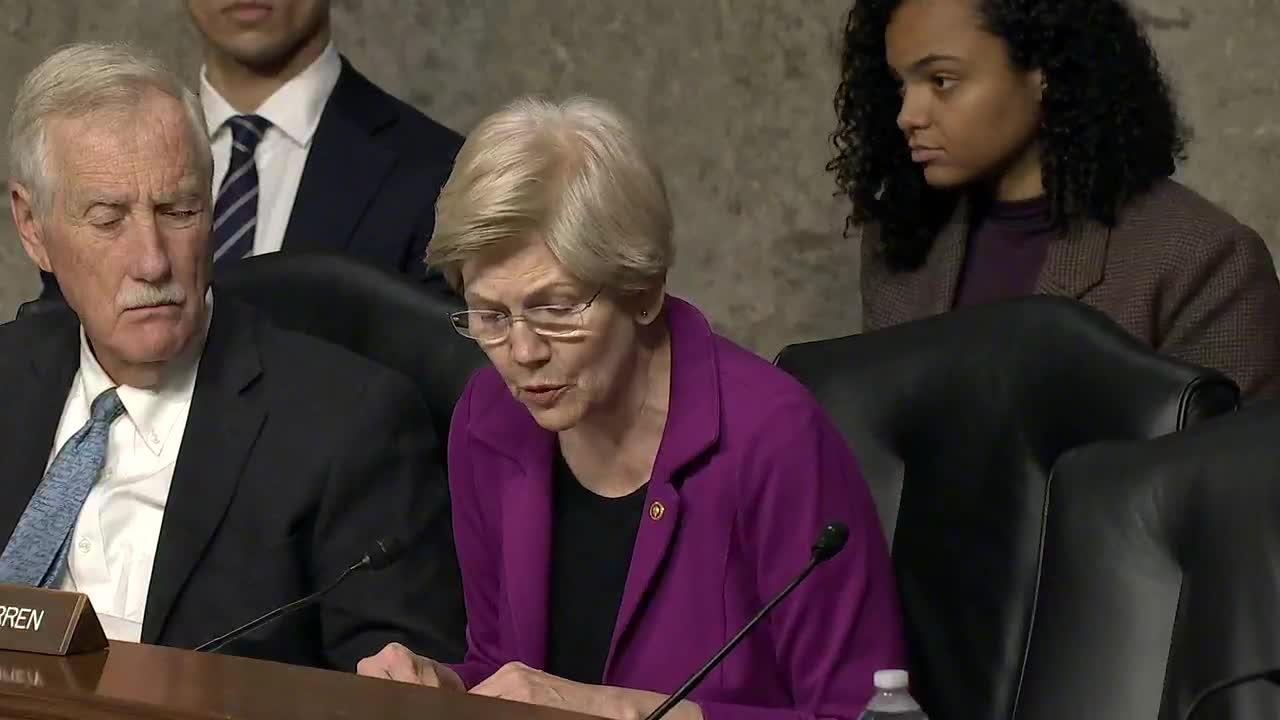
Senator Warren cited examples and polling showing public support for a defense right‑to‑repair law, and she described cost savings when Tinker Air Force Base manufactured a C‑5 pressure door handle in‑house, saving about 95% compared with contractor pricing. She also cited a Department of Defense Inspector General finding that Boeing charged the Air Force up to 80 times a commercial price for a soap dispenser under a sustainment contract.
Secretary Troy Mink said he agreed right‑to‑repair is a strategic priority and that expanding repair rights increases battlefield readiness and can lower cost. He told the committee he has already begun related discussions with his team. On contractor pricing transparency, Mink said that “more data in this area would be always helpful” and welcomed congressional work to provide contracting officers with alerts when prices spike.
Senators said they would work on legislative and oversight options to require repair rights in defense contracts and to ensure contracting officers receive actionable price‑change information. The committee requested written follow‑ups on potential policy changes and implementation pathways. No formal directives were issued at the hearing.