Citizen Portal

Senate hearing: low mission-capable rates and excess infrastructure erode Air Force readiness

3441852 · May 20, 2025

Get AI-powered insights, summaries, and transcripts

Subscribe
AI-Generated Content: All content on this page was generated by AI to highlight key points from the meeting. For complete details and context, we recommend watching the full video. so we can fix them.

Summary

At a Senate Armed Services Committee hearing, lawmakers and Air Force leaders flagged low mission-capable rates across several aircraft fleets, cited recruiting and funding shortfalls, and said excess facilities add roughly $1.5 billion a year in sustainment costs.

At a Senate Armed Services Committee hearing, lawmakers pressed Department of the Air Force leaders about low mission-capable rates, aging fleets and excess infrastructure that they said are degrading readiness and deterring modernization priorities.

Senators said readiness shortfalls limit the service’s ability to “fight tonight,” while Air Force leaders described reduced facility funding and continuing resolutions as direct drivers of declining maintenance and recruitment outcomes.

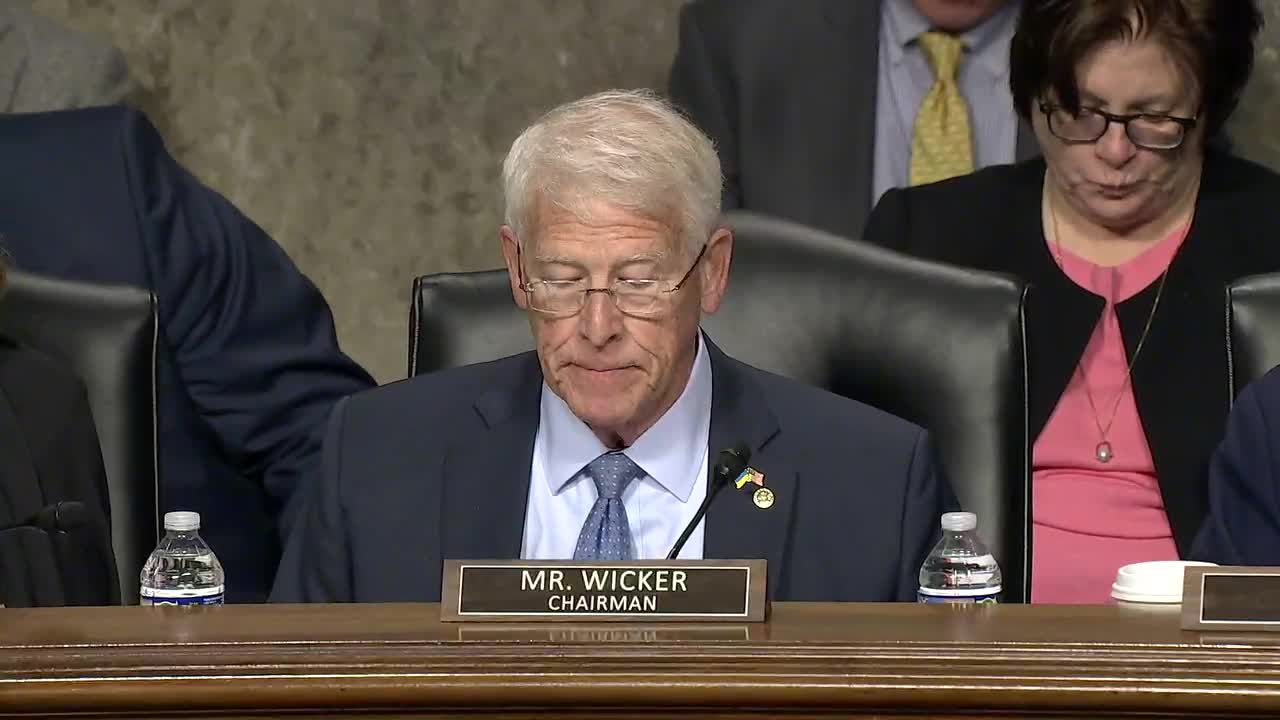
“The f 35 fleet is available a mere 54% of the time,” Chairman Wicker said, citing mission-capable data and asking witnesses to explain causes and fixes. Lawmakers and service leaders emphasized that mission-capable measures are not only maintenance issues but readiness issues that affect deterrence and combat operations.

Air Force officials testified the problem is multi‑factor: older airframes require more sustainment hours, depot cycles and parts; continuing resolutions and an abbreviated FY25 budget cut personnel and facility restoration budgets; and increased operational demand stresses aging fleets. When asked about the F‑16, General Alvin said the aircraft’s “mission capable rate is 62%.”

On infrastructure, General Alvin estimated large amounts of excess real property. “We estimate we have about 23% excess vertical infrastructure, about 60% excess horizontal. So overall the dollar value is about 30%. Our rough estimate is it costs us an additional maybe $1,500,000,000 a year, just to be able to maintain that,” he said, framing the excess as a recurring drag on readiness funding.

Witnesses said the service seeks to prioritize “tooth, not tail” — preserving combat capability while divesting obsolete systems and unneeded infrastructure — but they also warned divestments and reassignments take time, statutory compliance and funding. Several senators repeatedly asked for clearer metrics and accountability from program managers and for improved transparency to Congress about sustainment shortfalls.

The committee requested follow‑up briefings and data on mission-capable baselines, depot throughput, and how facilities reductions have been calculated. Lawmakers signaled interest in pairing modernization buys with concrete sustainment funding to avoid buying capability the force cannot reliably operate.

Looking forward, senators said they would press for budget flexibility and oversight to raise readiness while protecting modernization lines. The hearing produced no formal votes or binding decisions; lawmakers asked for written updates and additional testimony to document the causes of low availability and the steps the Air Force will take to reverse the trend.