Get Full Government Meeting Transcripts, Videos, & Alerts Forever!
Get email alerts on the State Department Reorganization topic
No spam. Unsubscribe anytime.
Rubio tells Senate he reorganized State Department, proposes new aid accounts; senators press over USAID contract cancellations
Summary
Secretary of State Marco Rubio defended an internal reorganization and proposals to consolidate foreign-aid accounts at a Senate SFOPS hearing, while senators urged more consultation after abrupt USAID contract cancellations and questioned the humanitarian consequences of funding changes.
Secretary Marco Rubio, the U.S. secretary of state, told the Senate Appropriations Subcommittee on State, Foreign Operations and Related Programs on May 22 that he has reorganized parts of the State Department and proposed consolidating foreign assistance into new accounts, including a global health programs account, a consolidated humanitarian assistance account and an "America First Opportunity Fund." Rubio told senators he wants aid decision-making moved closer to U.S. embassies so missions can respond faster to on-the-ground needs.
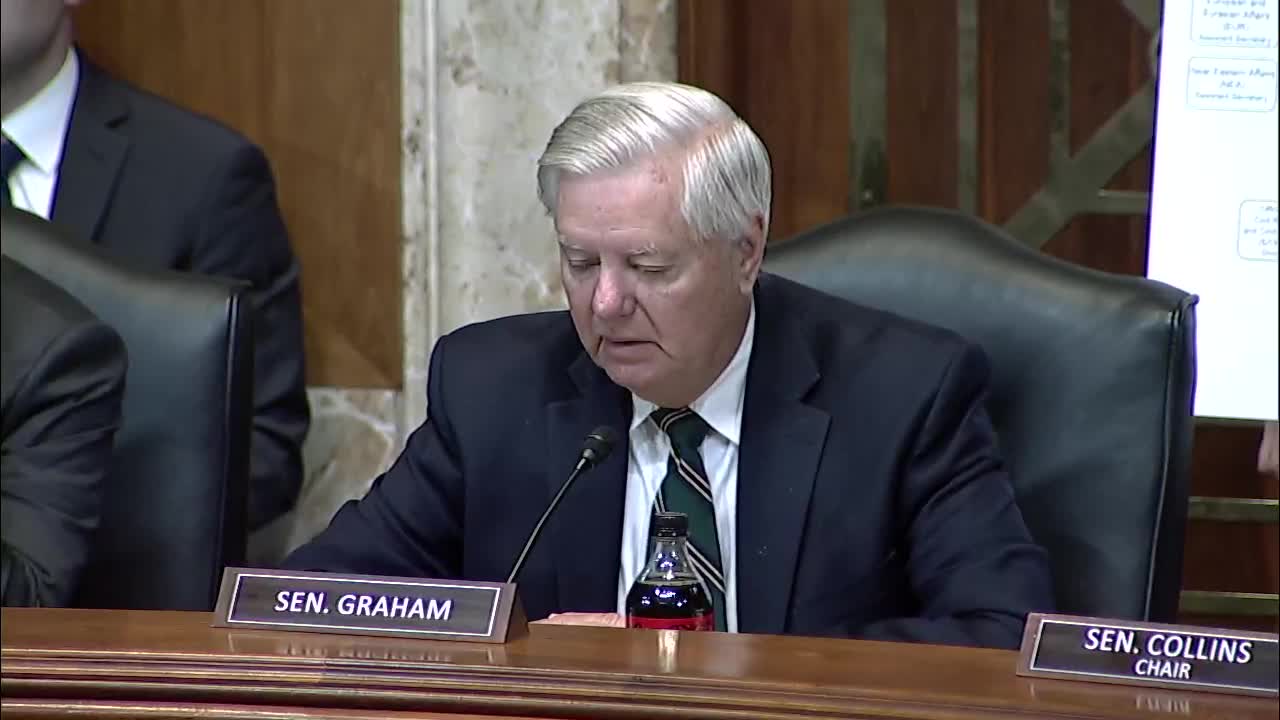
The reorganization and the administration’s fiscal 2026 proposals drew sharp questions from both parties about implementation and oversight. Sen. Lindsey Graham, chairman of the subcommittee, said the administration’s budget proposal for the account overseeing these changes is roughly "48% below the enacted level" and called for further work to find savings without abandoning core capabilities. Sen. Susan Collins pressed Rubio over a proposed 62% cut to global health funding in the president’s request for 2026 and asked whether China would step in to fill gaps if the United States reduced its role.
Why it matters: Rubio described the proposals as a way to target limited U.S. resources more effectively, reduce duplication and allow quicker responses to crises; senators warned that sudden contract cancellations and a lack of congressional consultation had generated operational gaps and reputational damage for U.S. assistance programs.
Rubio said features of the reorganization include driving field priorities from regional bureaus and embassies, and creating funds intended to allow "nimble" responses to contingencies such as changing conditions in Syria. He told the panel the new funding structures are the "launch pad because that's what we're funding" and that those accounts will be reflected in the appropriations process. "The number one goal is decisions being made as close to the front lines as possible," Rubio said.
Multiple senators said the shift from USAID into State, and abrupt changes to contracts and grants after February 3, had created chaos. Sen. Patty Murray and Sen. Brian Schatz said the freeze and sweeping contract reviews resulted in workforce disruptions, delayed payments and risk to ongoing programs; Murray cited legal concerns including the Impoundment Control Act and the Anti-Deficiency Act. Rubio defended his actions, saying he personally reviewed contract spreadsheets and canceled or amended awards he judged not to be in the national interest, and that many core programs — including global health activities — continue.
Sen. Schatz and others pressed Rubio to provide more briefings and documents. Rubio agreed to provide details on canceled contracts and reorganization materials to committee staff and said he would work with the committee as appropriations move forward.
Ending: The subcommittee requested specific contract lists, reorganization mappings for some 200–270 offices mentioned in the hearing, and justification for proposed rescissions and funding shifts; Rubio said the department will provide those materials and continue negotiations with the panel during the appropriations process.