
Adaptive sports funding and staffing draw bipartisan attention; veterans groups urge larger grants and stronger outreach
Get AI-powered insights, summaries, and transcripts
Subscribe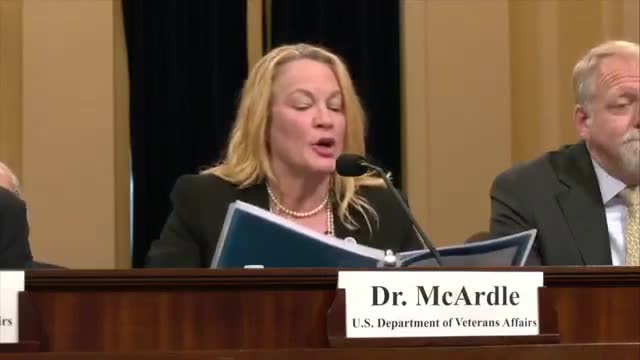
Summary
Nonprofit and VA witnesses told the House subcommittee that adaptive sports grant funding has not kept pace with needs, that VA should formalize coordinator roles and protect recreational therapists, and that more outreach is needed so veterans know about available programs.
WASHINGTON — Witnesses from veteran service organizations, national nonprofits and VA told the House Veterans' Affairs Subcommittee on Economic Opportunity that adaptive sports programs help veterans’ physical and mental recovery but need more funding, clearer administration and improved outreach.
Mike Owens, director of adaptive sports at Wounded Warrior Project and a Marine Corps veteran, said adaptive sports events such as WWP’s Soldier Ride produce measurable improvements in confidence and community ties and recommended that Congress increase funding for the VA Adaptive Sports Grants Program. He noted that the program’s appropriated amount — $16,500,000 — has not been increased since fiscal 2016 and that a new requirement to dedicate roughly 30% of funds to equine‑assisted therapy will further reduce grant dollars available for other adaptive sports unless Congress raises the overall authorization.
Why it matters: adaptive sports provide rehabilitation, community and wellness to veterans with disabilities. Insufficient grant funding and small administrative allowances can force nonprofits to use donor dollars for overhead and limit veteran participation.
Testimony and committee discussion highlighted several points: - Grants and scale: VA reported that over the last nine years it has awarded more than $119,000,000 through the Adaptive Sports Grants Program. In fiscal 2024, VA awarded 91 grants totaling $15,900,000 that benefited more than 15,000 veterans and service members, according to VA witnesses. - Funding and administrative costs: Wounded Warrior Project urged Congress to increase grant appropriations and raise the administrative cost allowance to match other federal grants so nonprofits are not obliged to cover overhead from donations. - Staffing and access: Witnesses asked VA to formalize the Adaptive Sports Coordinator role and ensure access to recreational therapists, who often bridge clinical rehabilitation and community programs. Paralyzed Veterans of America urged that recreational therapists be protected as direct care providers under hiring‑freeze exemptions to avoid capacity losses. - Outreach and parity across locations: Multiple witnesses described geographic variance in available services. Mike Owens and Julie Howell of Paralyzed Veterans of America said that veterans living far from major VA centers or urban hubs frequently face limited opportunities and that better outreach partnerships with community organizations and veteran service organizations (VSOs) are needed.
Committee follow‑up: Ranking Member Pappas and other lawmakers requested data on staffing impacts from hiring freezes and resignations related to adaptive sports positions and asked VA to report back on grant staffing levels and program metrics.
Ending: Witnesses urged both administrative changes at VA and Congressional funding increases to sustain nonprofit capacity, expand participation and protect recreational therapists who link clinical care to community adaptive sports.